
What's New in Car Child Seats and Safety
What’s New in Car Child Seats and Safety: 2025 Innovations Protecting Our Children
Car Child Seats and Safety 2025 new Innovations. Discover the latest 2025 child car seat innovations. Smarter safety, the car seat industry has undergone revolutionary changes in the last decade, driven by advanced materials science, artificial intelligence, and sobering crash test data that’s reshaping how we protect our most precious passengers. With motor vehicle crashes remaining a leading cause of death for children ages 1-13, these innovations couldn’t come at a more critical time.

Smart Technology Meets Safety
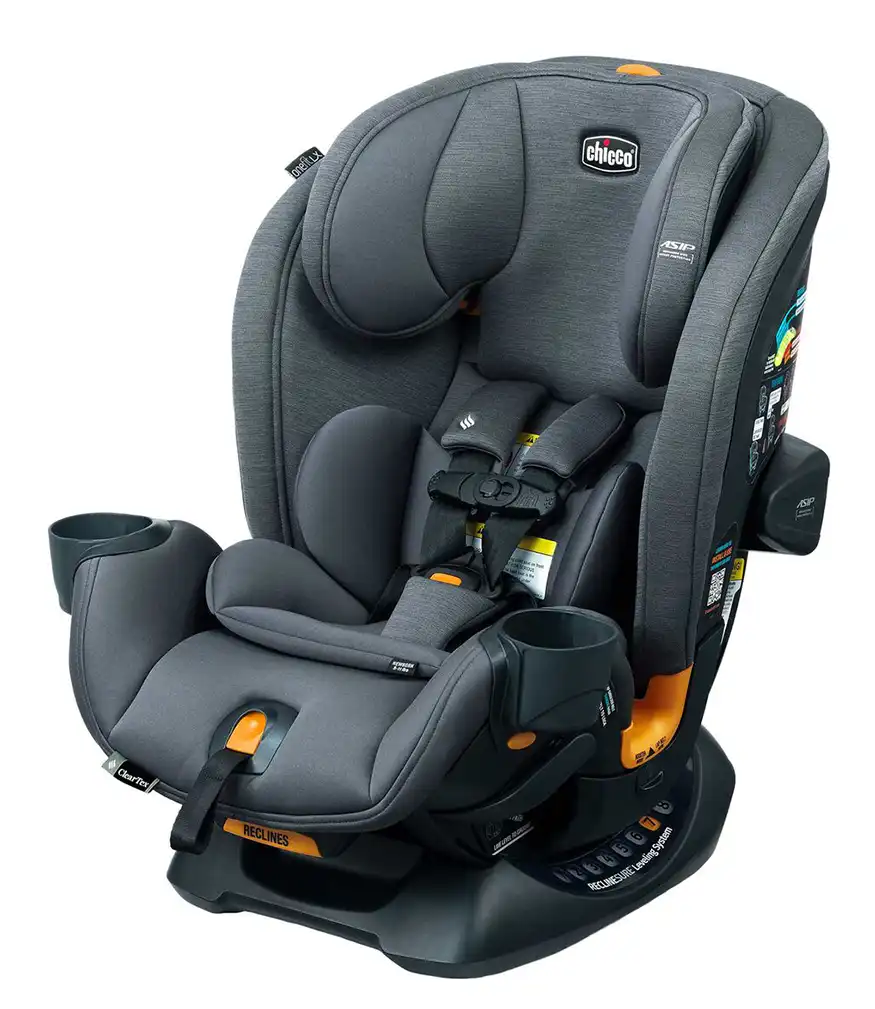
The Hyundai Motor Group is doing its part by supporting the Los Angeles Children’s Hospital and its hands-on events, teaching parents all about car seats. The biggest breakthrough this year is the integration of smart sensors into premium car seat models. Brands like Chicco and Britax now offer seats with built-in tension monitors that alert parents via a smartphone app when installation loosens over time. These sensors can detect movement beyond the critical one-inch safety threshold, addressing the alarming statistic that 73% of car seats are installed incorrectly.
Evenflo’s new Gold series features temperature sensors that warn parents when a child has been left in a hot vehicle, a technology that could prevent the tragic deaths of approximately 38 children annually from vehicular heatstroke. The system activates after detecting 15 minutes of inactivity combined with rising cabin temperatures above 80°F.
Stay with Los Angeles Guide




Enhanced Crash Protection Through Materials Innovation
Advanced energy-absorbing foams, originally developed for Formula 1 racing, are now standard in top-tier car seats. These materials can reduce g-forces by up to 30% during side-impact crashes, according to recent Insurance Institute for Highway Safety (IIHS) testing. Clek’s new Fllo 2025 model incorporates these aerospace-grade materials while maintaining the rigid LATCH system that scored highest in NHTSA’s updated crash protocols.

The introduction of carbon fiber reinforcement in booster seat frames represents another significant leap forward. These seats now withstand impact forces exceeding 5,000 pounds, nearly double the previous standard, while weighing 25% less than traditional models.
Extended Rear-Facing: The New Standard
Perhaps the most critical development isn’t technological but educational. The American Academy of Pediatrics now recommends children remain rear facing until age 4, extending the previous guideline of 2 years. This recommendation follows Swedish safety data showing rear-facing positioning reduces fatal injuries by 90% for children under 4.
New convertible seats like the Graco Extend2Fit Platinum accommodate this extended rear-facing period, supporting children up to 50 pounds in the rear-facing position. The seat’s unique design includes a telescoping panel that creates additional legroom, addressing parents’ primary concern about older toddlers appearing “cramped.”


Installation Revolution: Anti-Rebound Technology
The most significant installation improvement comes through anti-rebound bars and load legs—features that prevent the seat from rotating forward during a crash. Cybex’s new Cloud Z2 infant seat includes a telescoping load leg that extends to the vehicle floor, reducing crash forces by up to 25% compared to traditional installation methods.
For parents struggling with installation, new color-coded LATCH systems provide visual confirmation of proper attachment. The indicators change from red to green when optimal tension is achieved, eliminating guesswork that previously led to dangerous installation errors.
What Parents Need to Know Now
When shopping for new car seats in 2025, look for these essential safety certifications: the updated FMVSS 213 standard, which includes enhanced side-impact protection, and the new NHTSA 5-Star Overall Rating system that evaluates ease of use alongside crash protection.
Budget-conscious parents should prioritize proper installation over premium features. A correctly installed $150 seat provides superior protection to an incorrectly installed $500 model. Take advantage of free installation checks at local fire stations. This service has expanded to over 8,000 locations nationwide.
For mothers returning to work, consider seats with quick-release bases that allow for secure transfers between vehicles. Models like the UPPAbaby Mesa V2 feature a one-click installation system that reduces setup time from five minutes to under 30 seconds.
The Bottom Line
These technological advances represent more than convenience—they’re potentially life-saving innovations that address real-world safety gaps. However, technology cannot replace proper education and installation. Parents should view these innovative features as supplements, not replacements for fundamental car seat safety practices.
The investment in a quality car seat pays dividends beyond safety. With proper care, today’s convertible seats can serve a child from birth through age 8, making the annual cost of protection surprisingly affordable. In an era where we protect our phones with cases, shouldn’t we demand the highest standards of safety for our children?
Remember: the best car seat is the one that fits your child, fits your vehicle, and is used correctly every single time.

Downey Hyundai
7550 Firestone Blvd, Downey, CA 90241