Elegance on the Pacific: The 2025 La Jolla Concours d'Elegance
The 2025 La Jolla Concours d’Elegance
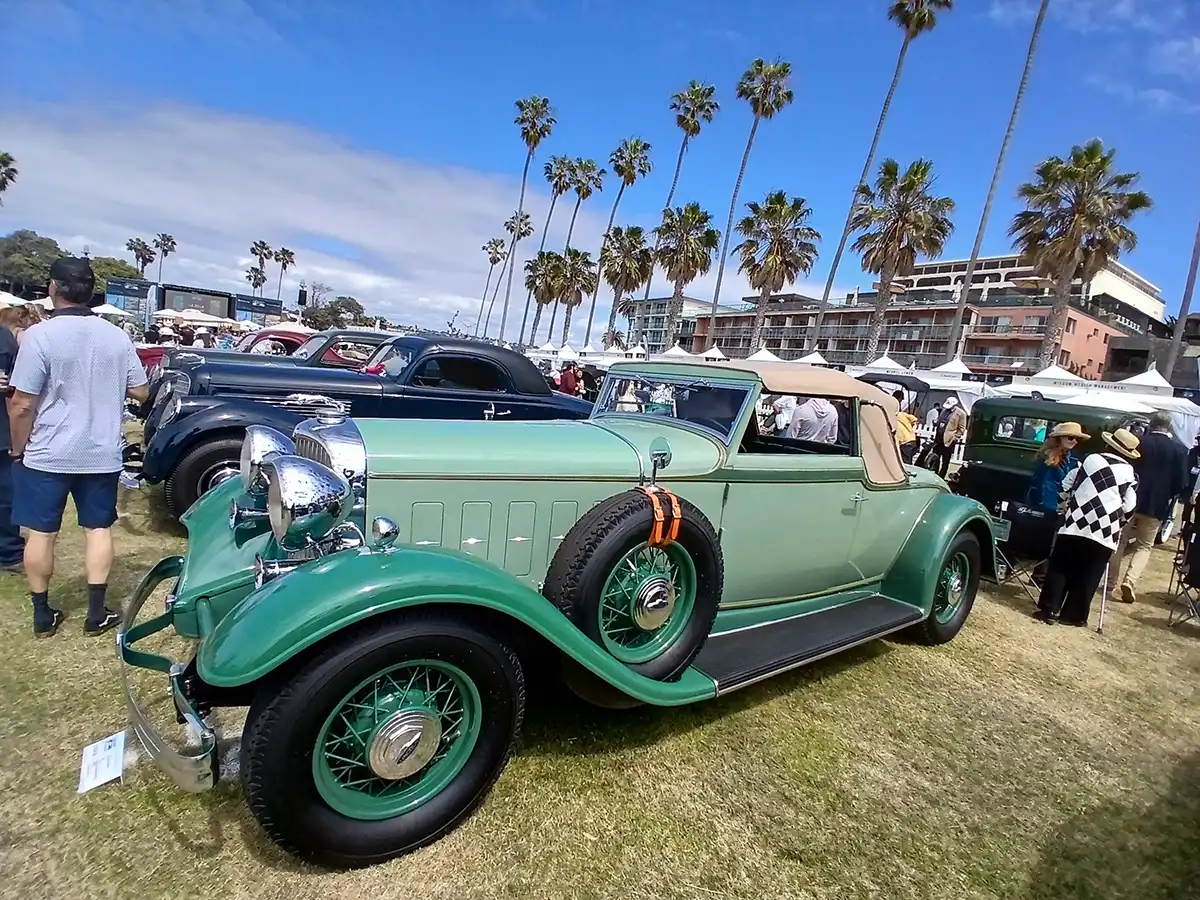
The morning fog made it cold to the skin, but the cars surely warmed up my heart. Across the emerald lawn with the Pacific Ocean as a backdrop, the scenery provided a breathtaking backdrop for what can only be described as automotive royalty.
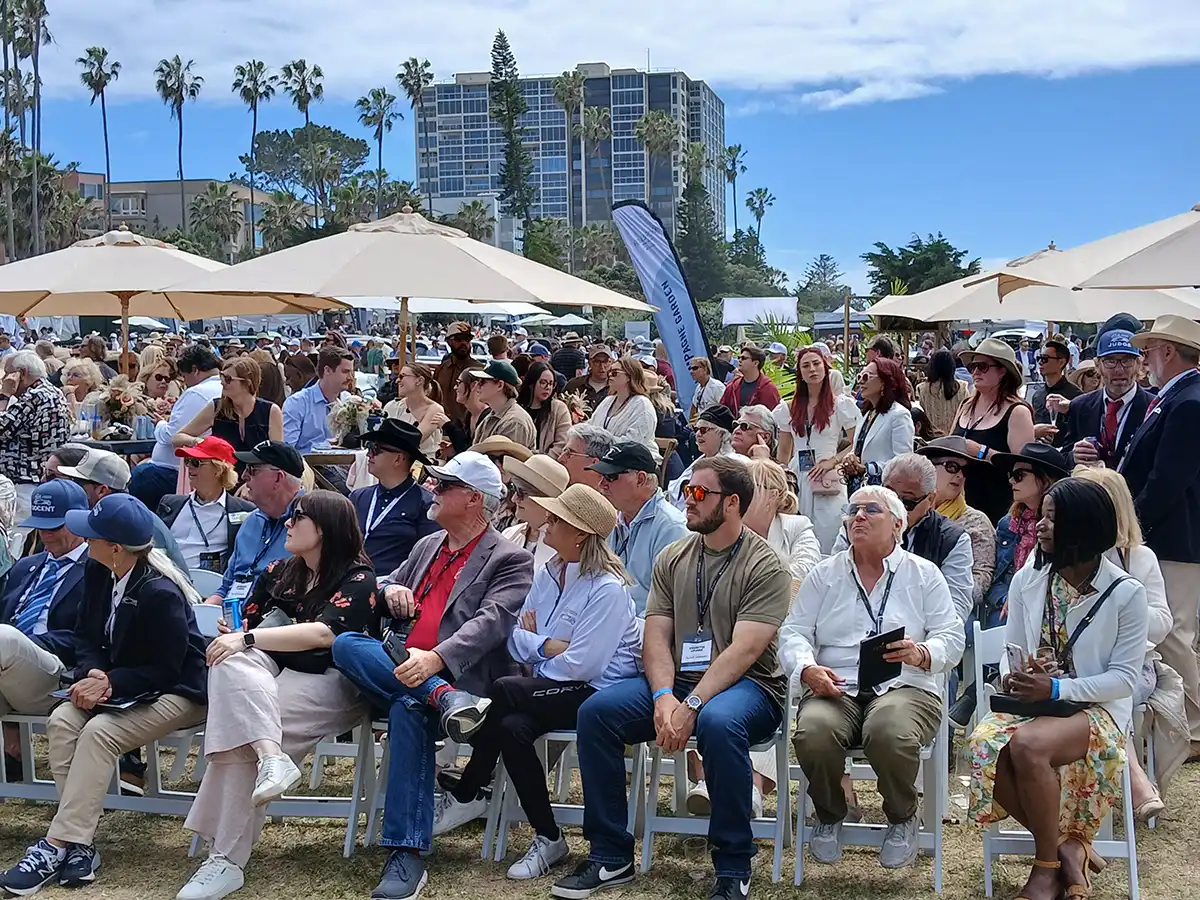
The 2025 La Jolla Concours d’Elegance has once again transformed this pristine coastal setting into a museum without walls, where history, artistry, and mechanical perfection converge. This year’s gathering brought together more than 170 meticulously restored classics, drawing approximately 15,000 enthusiasts to this celebration of automotive excellence.
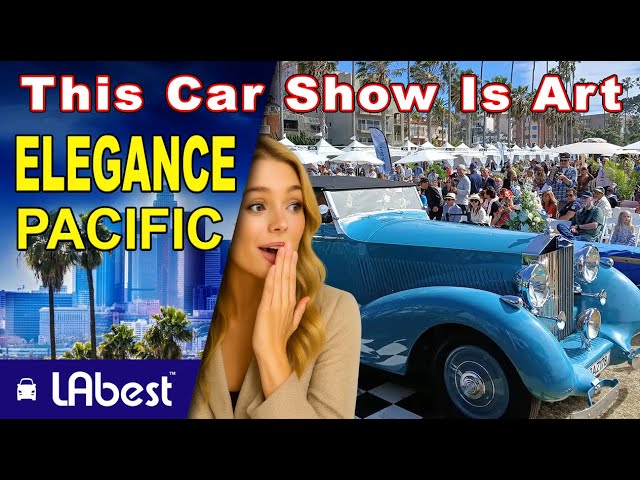
Walking among these magnificent machines, one quickly realizes they are more than mere vehicles. They are time capsules, storytellers, and, indeed sculptures on wheels. Each curve, chrome accent, and hand-stitched leather detail speaks to an era when cars were crafted rather than manufactured. The nineteenth year of this premiere automotive event maintained its reputation as one of the most prestigious showcases in North America, blending Southern California’s relaxed sophistication with international automotive heritage.
As the gentle ocean breeze carries the faint scent of expensive cologne and vintage leather upholstery, conversations between owners and admirers flow as smoothly as the champagne served in the VIP pavilion. Here at La Jolla, the automobiles may be the stars, but the atmosphere transforms the experience into something transcendent. During this cultural celebration, fashion, history, and mechanical artistry dance together in perfect harmony.
Stay with Los Angeles Guide








Where History Meets Horsepower
The La Jolla Concours d’Elegance location carries special significance for automotive enthusiasts familiar with racing history. Just minutes away lies Torrey Pines, where in the 1950s, the winding roads served as racing circuits for sports cars driven by legends, like Phil Hill, of the era. This proximity creates a poetic connection between past and present, as many vehicles displayed today once roared through those hills, pushing the boundaries of speed and engineering.
“These cars aren’t just sitting here looking pretty,” explains Robert Escalante, owner of a stunning 1931 Packard 845 Deluxe Eight Limousine. “They carry the spirit of automotive adventure that defined their time.” Like many collectors present, Escalante views his role as more custodian than owner preserving automotive history for future generations.
The judging at a Concours d’Elegance is notoriously exacting, with experts scrutinizing everything from paint authenticity to the correct period screws in the engine compartment. This meticulous evaluation ensures that these automotive treasures remain true to their original form. Authenticity reigns supreme here, with owners often spending years researching the most minor details to ensure historical accuracy in their restorations.
Among the judges walking the grounds are some of the most respected names in automotive restoration and history. Their critical eyes miss nothing not a misplaced wire, incorrect finish, or non-original component. What might seem obsessive to outsiders is understood here as a deep respect for engineering heritage and historical preservation. The fierce competition maintains an atmosphere of mutual appreciation and shared passion.

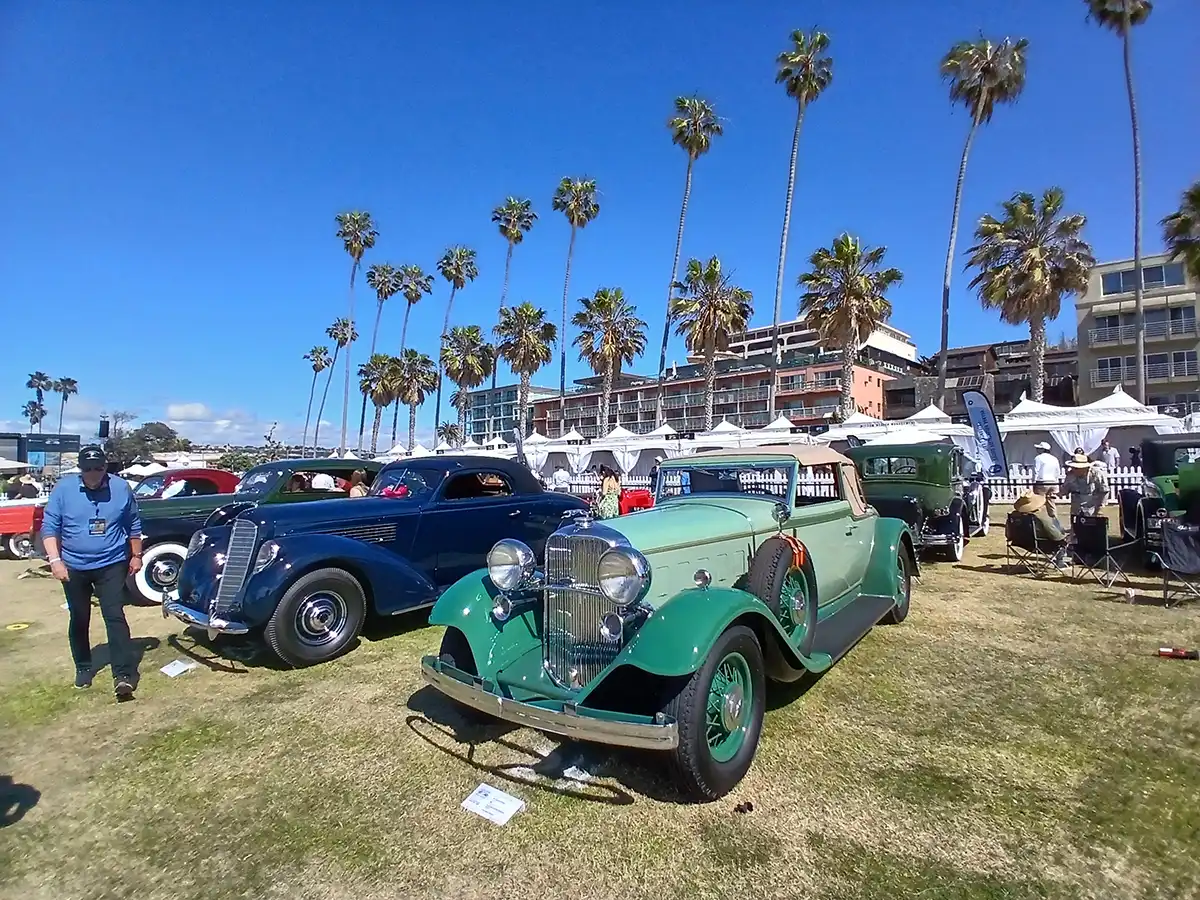

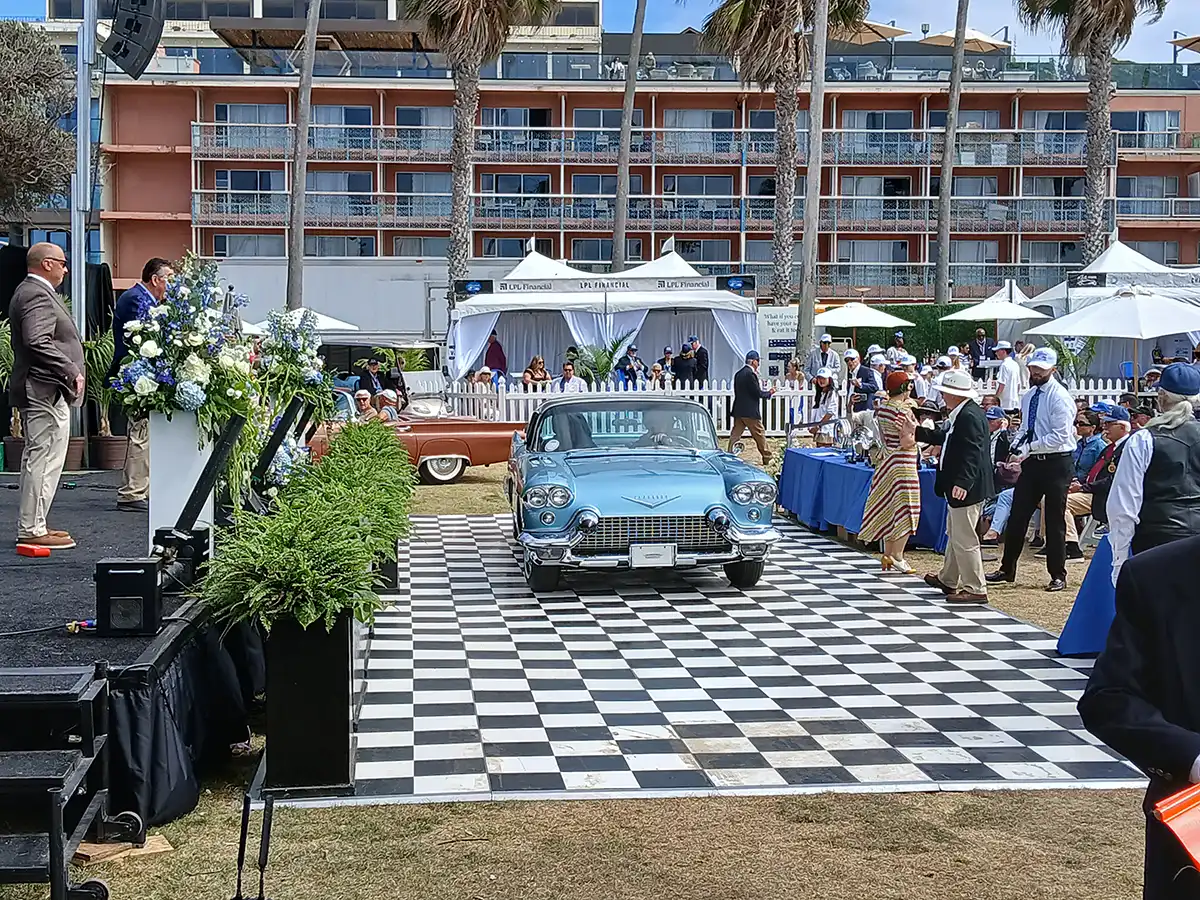

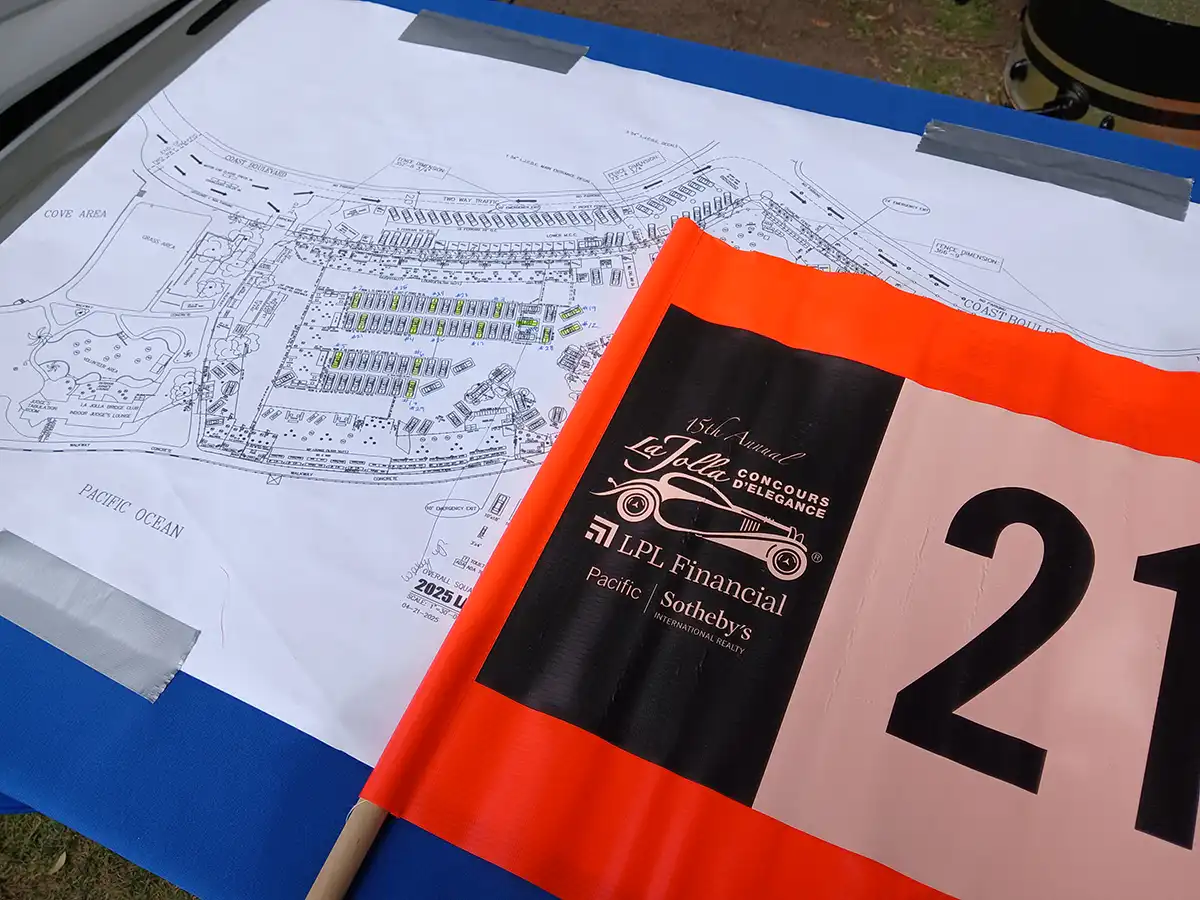
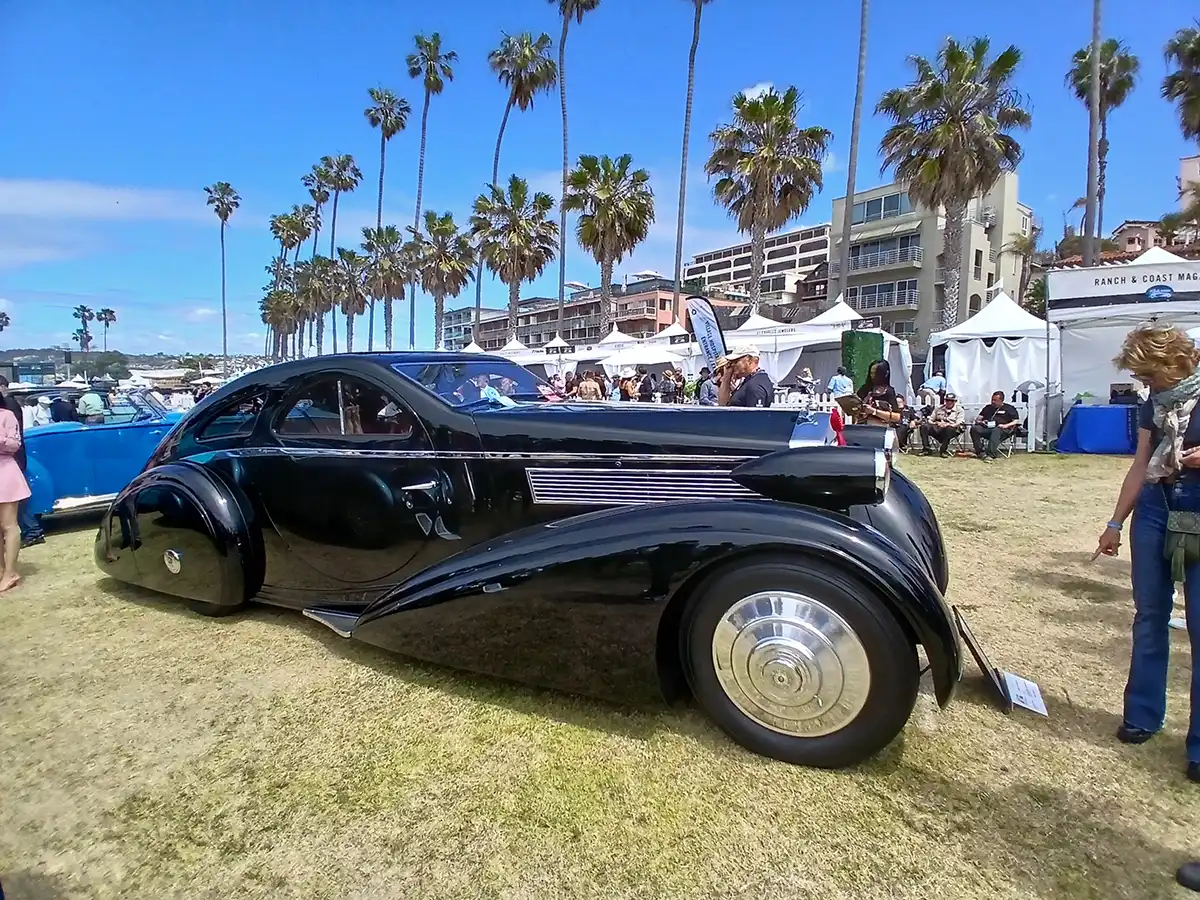
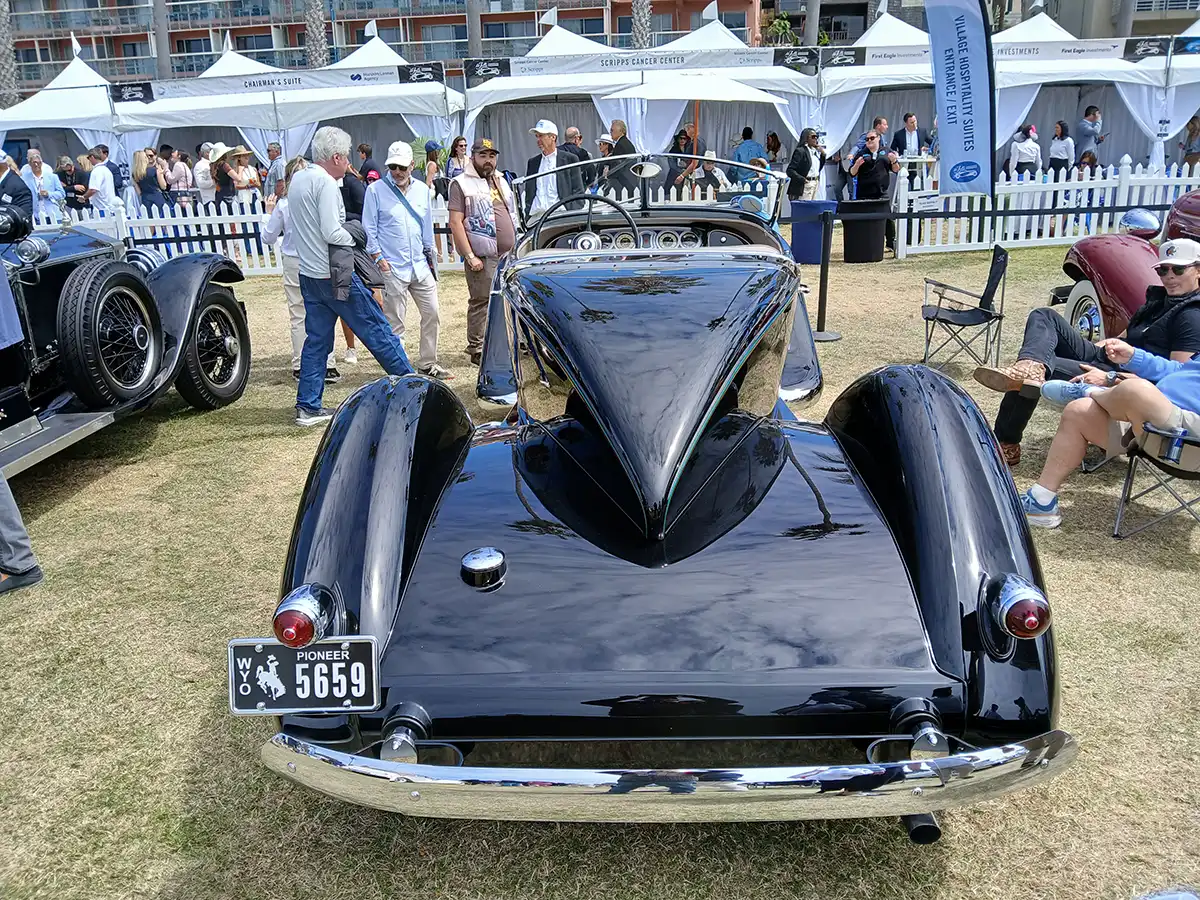
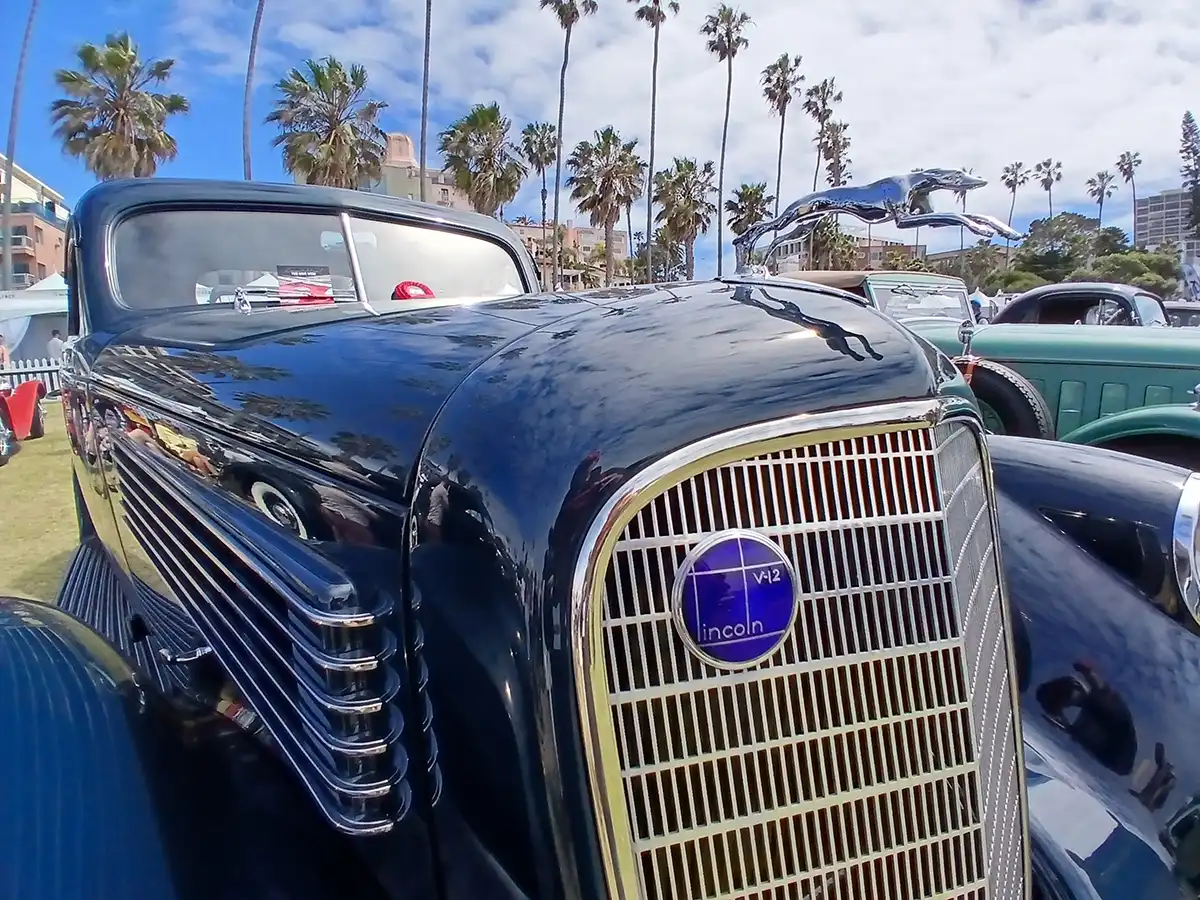
The warm California sunshine illuminates the field of competitors, each positioned strategically to showcase their best angles against the ocean backdrop. Photographers capture these mechanical masterpieces from every conceivable perspective, creating images that will grace magazine covers and social media feeds for months. The juxtaposition of vintage elegance against natural beauty creates visual poetry that transcends typical automotive events.
Behind each vehicle stands an owner with a story as compelling as the car itself. Many have devoted decades to finding, restoring, and preserving these rare machines. Their dedication goes beyond financial investment it represents a commitment to keeping automotive history alive through meticulous craftsmanship and historical accuracy. The pride is evident as they stand beside their treasures, eagerly sharing details about restoration challenges and historical significance.
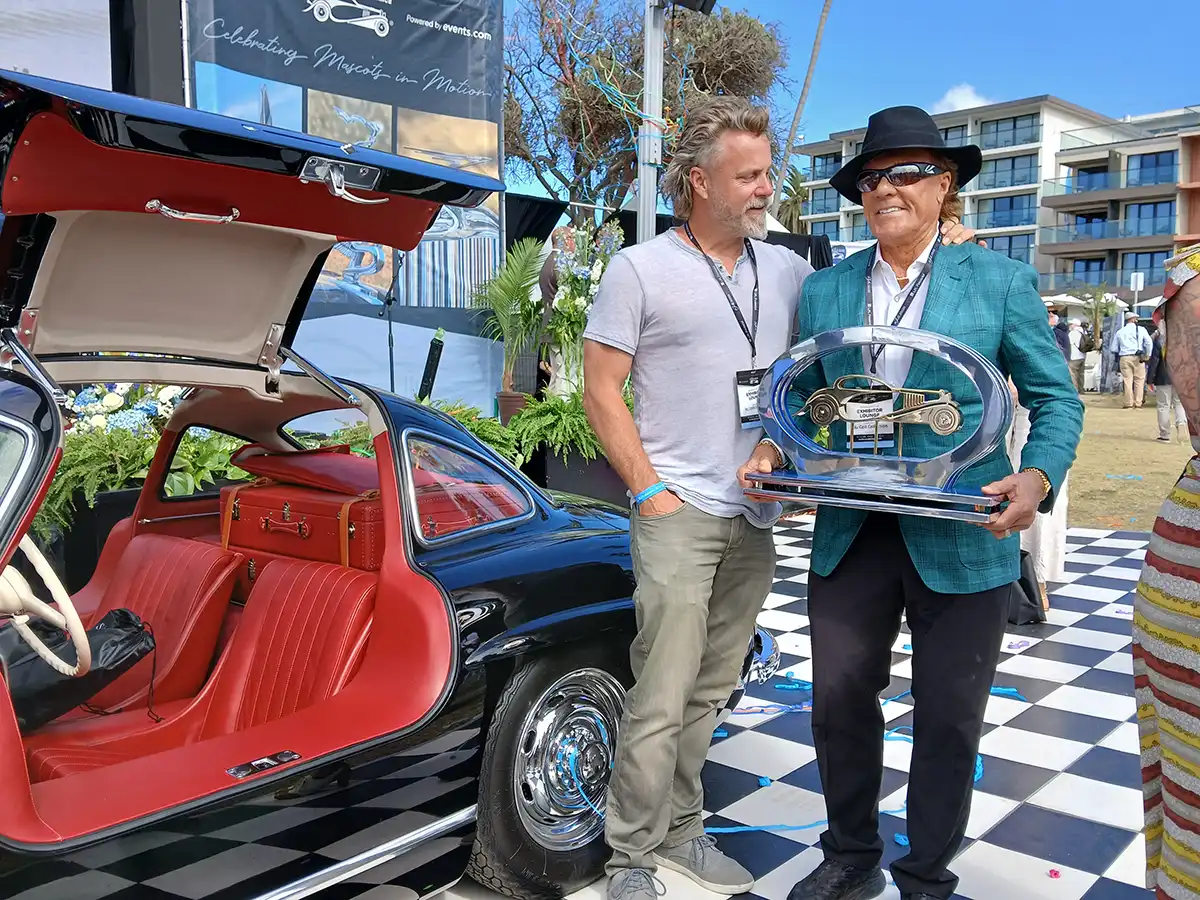
John and Kimberly Word’s 1955 Mercedes-Benz 300 SL Gullwing this year’s Best in Show winner exemplifies this devotion to excellence. The iconic doors that open upward like wings remain one of the most recognizable designs in automotive history. Under the hood, the 3.0-liter straight-six engine has been restored to factory specifications, while the interior’s red leather upholstery contrasts the silver exterior. Every component tells a story of German engineering at its pinnacle.
“Winning isn’t what drives us,” John Word explains, gesturing toward his gleaming Mercedes. “It’s about honoring the vision of engineers and designers who created something timeless.” His commitment to authenticity extends to the minor details even the tool kit tucked beneath the trunk floor contains period-correct implements that match factory specifications. This attention to historical accuracy represents the true spirit of the Concours d’Elegance tradition.
The Most Outstanding Pre-War Award went to Valerie and Aaron Weiss for their extraordinary 1937 Rolls-Royce Phantom III Disappearing Top Coupe. This magnificent vehicle represents the height of pre-war luxury, featuring a massive twelve-cylinder engine and coachwork that combines elegance with engineering innovation. The “disappearing top” design allows the roof to fold completely into the body, creating a seamless convertible profile that was revolutionary for its time.
Post-war excellence found its champion in Neville Ray’s 1964 Aston Martin DB5 Coupe. Forever linked to James Bond films, this example stands on its own merits representing British performance and sophistication in perfect balance. The silver finish catches the sunlight, making photography challenging yet irresistible, while the leather interior shows the patina of careful preservation rather than over-restoration.

Perhaps most charming was the La Jolla Historical Society Heritage Award winner a 1903 Oldsmobile Curved Dash Runabout presented by Deer Park Escondido. This primitive yet ingenious vehicle represents the dawn of American automotive production, featuring tiller steering and a single-cylinder engine. Despite its simplicity compared to later entries, its historical significance cannot be overstated, providing context for the century of innovation that followed.
Beyond Competitions: A Cultural Celebration
What distinguishes the La Jolla Concours from other automotive gatherings is its seamless integration into the cultural fabric of this affluent coastal community. Fashion plays nearly as important a role as the vehicles themselves, with attendees often dressing in period-appropriate attire that complements the era of their favorite automobiles. Wide-brimmed hats, linen suits, and flowing summer dresses create a scene reminiscent of the golden age of motoring.
Celebrity sightings added glamour to the proceedings, with actors, musicians, and business moguls mingling among the automotive displays. Their presence underscores how this event transcends typical car shows to become a significant social occasion on the Southern California calendar. Conversations flow between automotive discussions and broader cultural topics, creating connections beyond mechanical interests.
The economic impact on La Jolla is substantial, with hotels booked months in advance and restaurants filled with visitors eager to experience the complete coastal luxury lifestyle. Local businesses embrace the influx with special displays and offerings that complement the automotive theme. This symbiotic relationship between the event and the community creates an immersive experience beyond the show’s grounds.
Among the most photographed vehicles was Rob Walton’s 1936 Bugatti Type 57SC Atlantic 2-Door, widely considered one of the most valuable automobiles. With only two original examples remaining worldwide, its presence created a sensation among knowledgeable attendees. The distinctive riveted seams running along its flowing bodywork represent a design approach that was born of necessity but evolved into an iconic aesthetic statement that influenced generations of automotive stylists.
The Petersen Automotive Museum contributed significantly to the event’s prestige by displaying the 1925 Rolls Royce Phantom I Aerodynamic Coupe by Jonckheere. Often called the “Round Door Rolls,” this one-off creation features dramatic circular doors and Art Deco styling that pushes automotive design into sculpture. Its black finish absorbs and reflects light in a manner that emphasizes its unconventional proportions, creating dramatic shadows that accentuate its artistic significance.
Equally impressive was another Petersen contribution the 1939 Delahaye T-165 V-12 “World’s Fair” car. This French masterpiece epitomizes the flowing, sensuous design philosophy that made pre-war French luxury automobiles coveted by collectors worldwide. Its presence at La Jolla provided a rare opportunity for enthusiasts to examine one of the most significant design statements of the Art Deco automotive era, complete with its original twelve-cylinder powerplant.
For those whose interests extend beyond mainstream classics, discoveries await everywhere. Dee Elias’s 1967 OSI 20M TS Coupe represented Italian coachbuilding applied to Ford mechanicals a rare combination demonstrating how international collaboration influenced automotive development. Larry Icerman’s 1930 Willys-Knight 66B Sport Roadster showcased the sleeve-valve engine technology that provided whisper-quiet operation compared to conventional valve designs of the period.
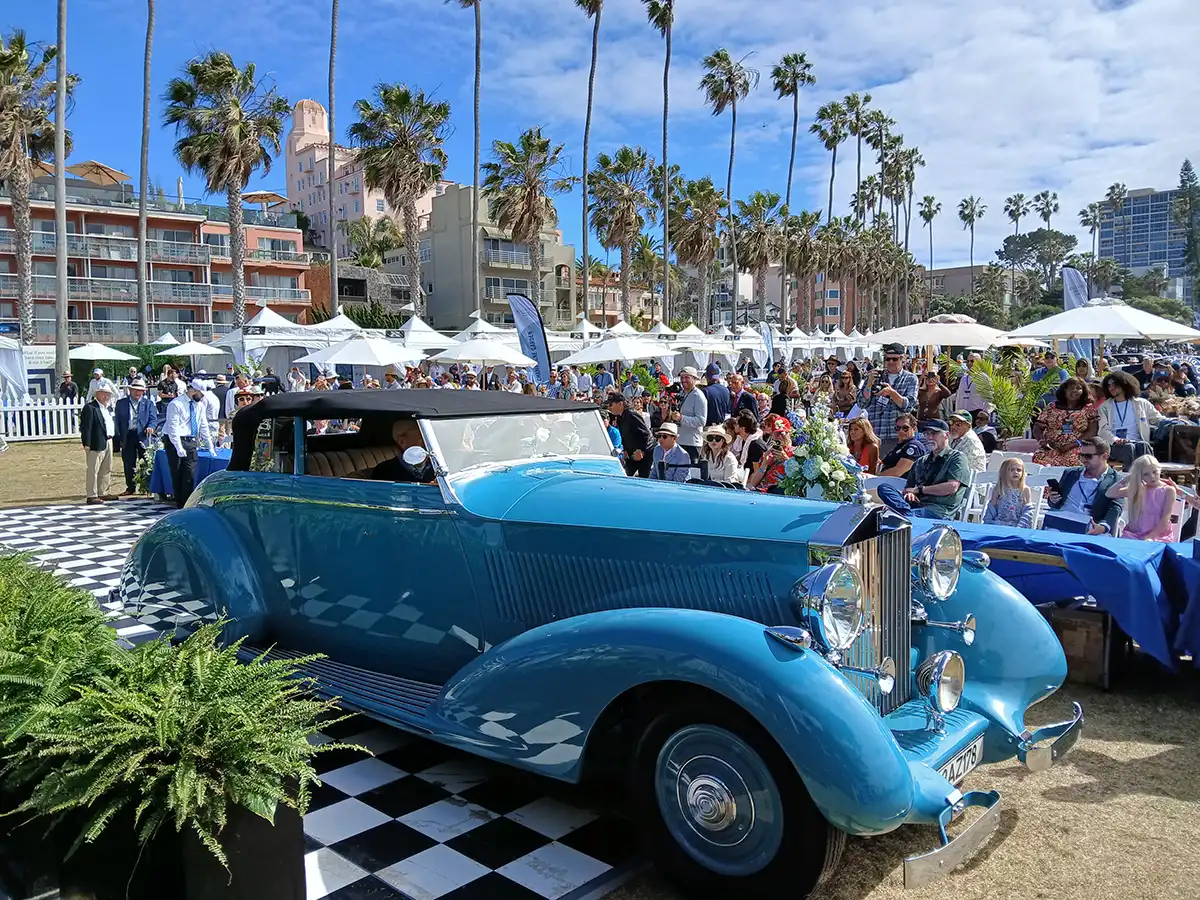
As the afternoon progressed into evening, the changing light created new perspectives on these automotive masterpieces. What appeared as brilliant chrome under the midday sun transformed into subtle silver reflections as sunset approached. This natural evolution of lighting conditions revealed new details in bodywork and finish that might otherwise go unnoticed, providing photographers with constantly changing opportunities for the perfect shot.
The Pacific provided more than scenic beauty its cooling breeze protected vehicles and attendees from California heat, which might otherwise prove challenging. This natural air conditioning contributed to the relaxed atmosphere distinguishing West Coast automotive events from their more formal East Coast counterparts. The informality encourages deeper conversations between owners and admirers, creating educational opportunities that transcend simple appreciation.
“These cars were meant to be experienced with all senses,” remarked Cal DiMaggio, gesturing toward his 1948 Mark IV Drophead Coupe. “The sound of a starting engine, the smell of leather and fuel, even the feel of a perfectly crafted steering wheel these sensory experiences connect us directly to automotive history.” His observation captures why physical gatherings like La Jolla remain relevant in our increasingly digital world.
As shadows lengthened across the lawn, conversations turned from technical specifications to personal connections. Stories emerged of family histories intertwined with automotive passion grandparents who drove similar models, parents who inspired collecting interests, and hopes for passing these traditions to future generations. These narratives transform mechanical objects into vehicles for human connection and shared heritage.
The 2025 La Jolla Concours d’Elegance again demonstrated why it remains a premier destination for automotive enthusiasts worldwide. Combining extraordinary vehicles with an unmatched setting and sophisticated atmosphere elevates car culture to its highest expression. More than a competition, it serves as a reminder that, at their best, automobiles represent the perfect marriage of art, engineering, and human aspiration.
For those who walked among these magnificent machines, the experience transcended typical automotive enthusiasm. It provided a window into eras when craftsmanship was paramount, and innovation knew no bounds. As the sun set over the Pacific, casting golden light across polished hoods and windshields, one could almost hear these mechanical masterpieces whispering stories from automotive history stories preserved through collectors’ passion and shared through events like the La Jolla Concours d’Elegance.