VIP Night at MOLAA
VIP Night at MOLAA, Latin American Art, Innovation, and Community in Long Beach
On Saturday, March 28, we arrived at the Museum of Latin American Art (MOLAA) in Long Beach just before 6:00 p.m. and immediately felt the energy of a night designed to celebrate far more than the opening of new exhibitions. The evening reflected the growing international importance of Latin American art and the role MOLAA continues to play in shaping cultural dialogue across Southern California and beyond.
Set in the heart of Long Beach, MOLAA has become much more than a museum. It is a space where identity, history, innovation, and community meet. For anyone building a true LA Guide to the region’s most meaningful cultural destinations, this institution deserves serious attention. Nights like this remind us that the broader Los Angeles Guide is not limited to downtown galleries or Hollywood landmarks. Some of the most compelling artistic conversations are happening in spaces like MOLAA.



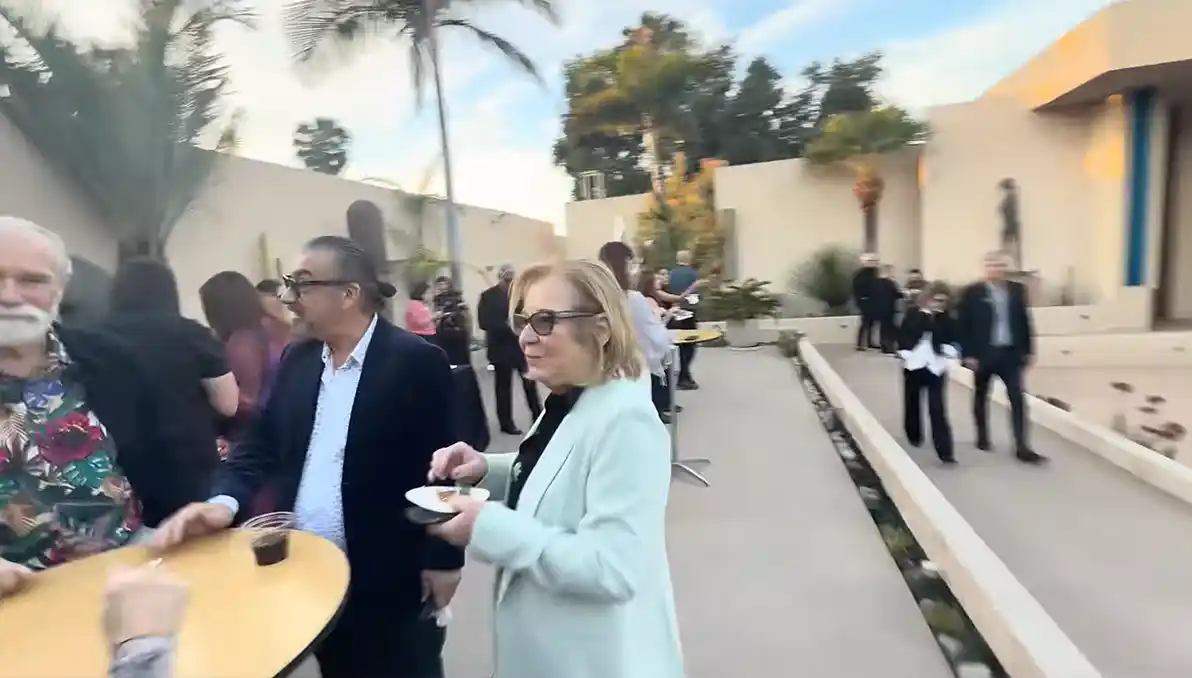
We were invited by Tracy M. Colunga, Vice President of Development at MOLAA, whose work continues to strengthen the relationship between the museum and the community it serves. That connection was visible throughout the night, not only in the crowd that gathered but also in the tone of the event itself. This was not simply a formal opening. It felt like a shared moment of pride, momentum, and cultural affirmation.


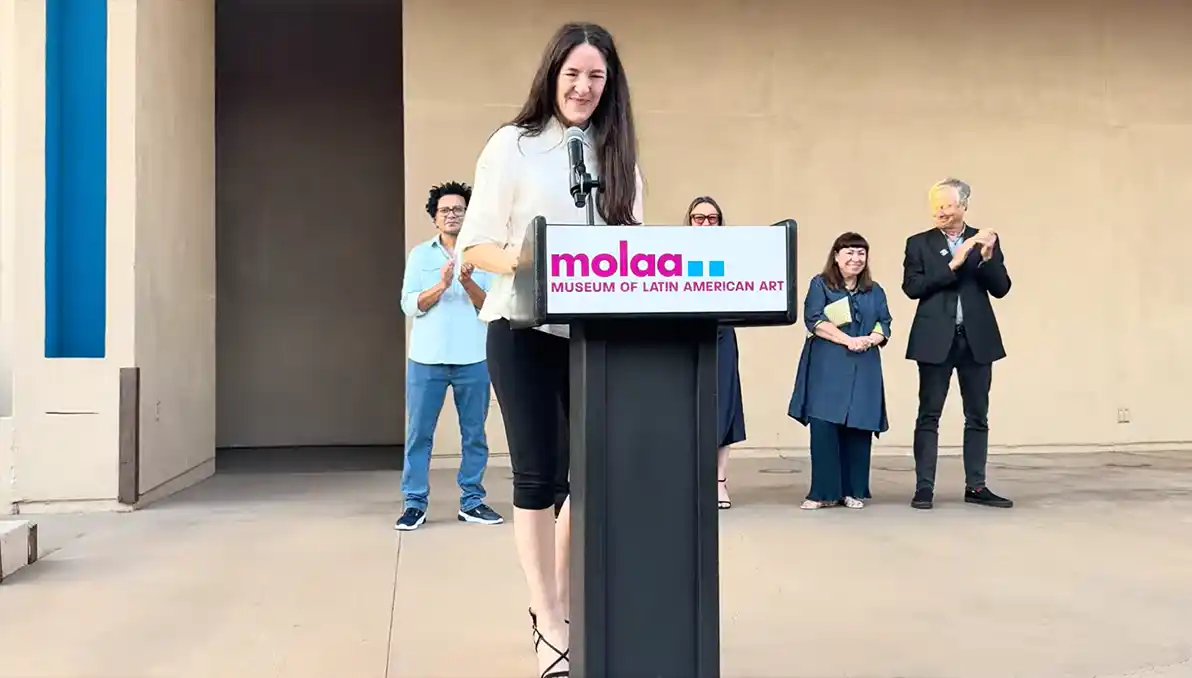
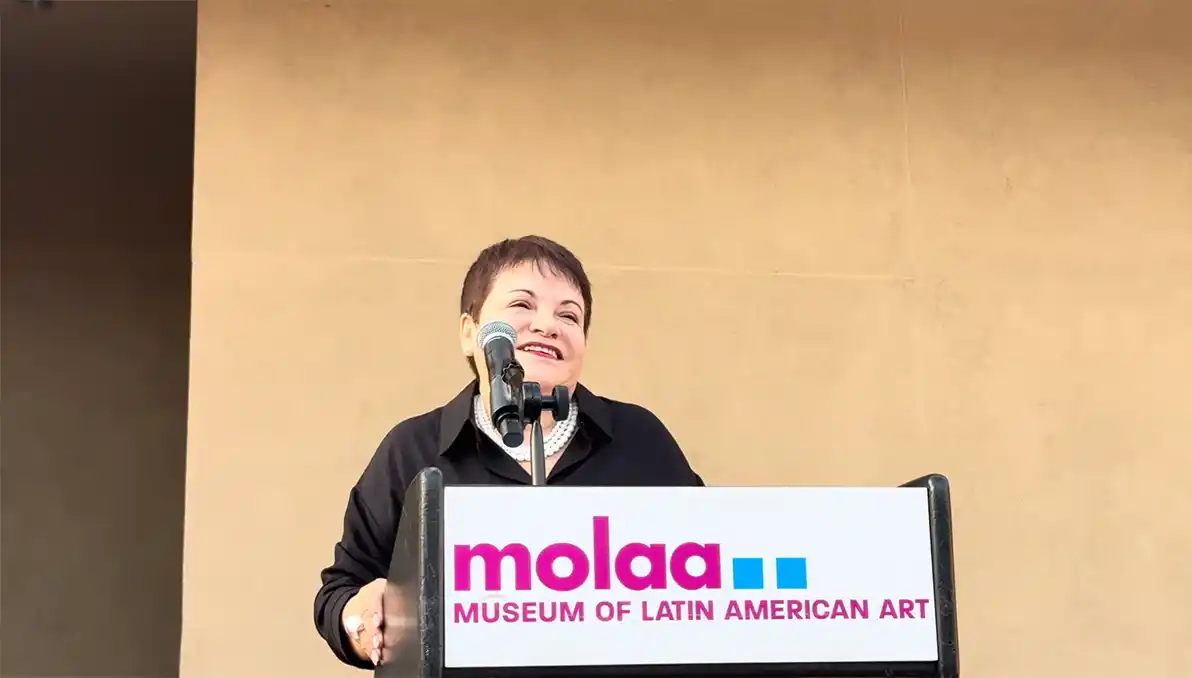
The evening was led by Lourdes Ramos Rivas, President and CEO of MOLAA, who delivered remarks that balanced gratitude, clarity, and ambition. Her message highlighted the museum’s expanding international reach and the important role it plays in giving Latin American contemporary art the visibility it deserves. Under her leadership, MOLAA continues to grow as a respected cultural institution with a voice that extends well beyond Long Beach.
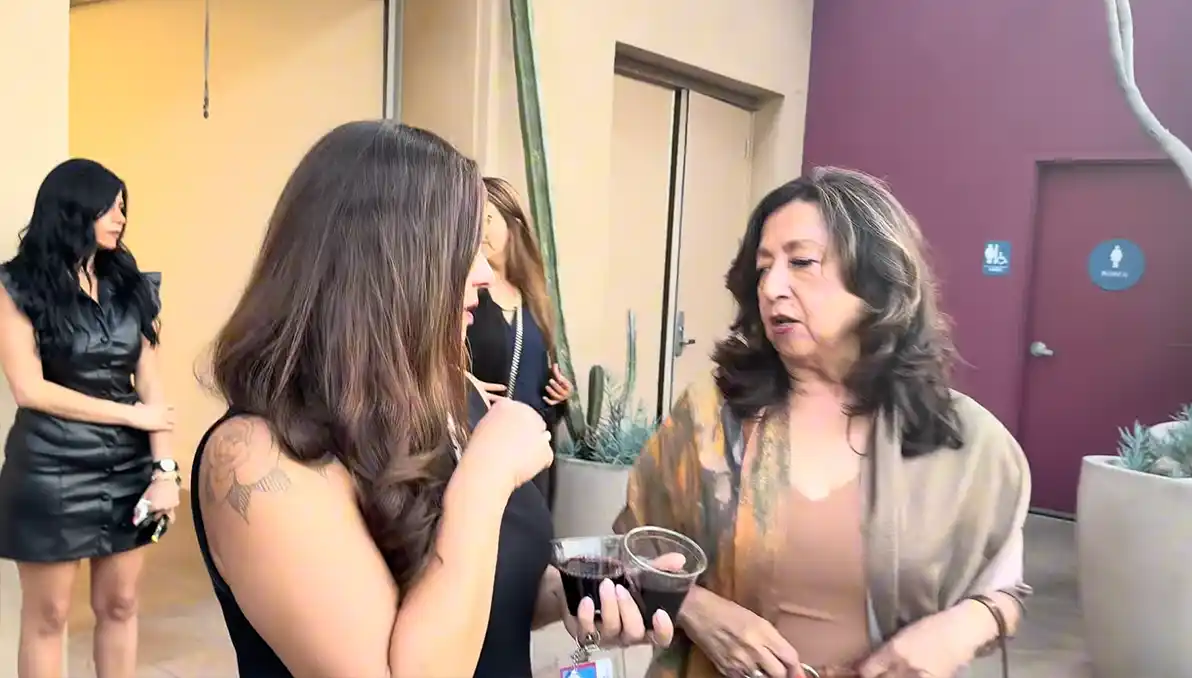
During her speech At VIP Night at MOLAA
Ramos Rivas acknowledged the artists, supporters, sponsors, and community leaders who have helped build the museum’s momentum. Her words made one point especially clear: MOLAA’s progress is the result of collective effort. It is not simply a place where art is displayed. It is a cultural bridge that connects generations, perspectives, and communities through a shared visual language.
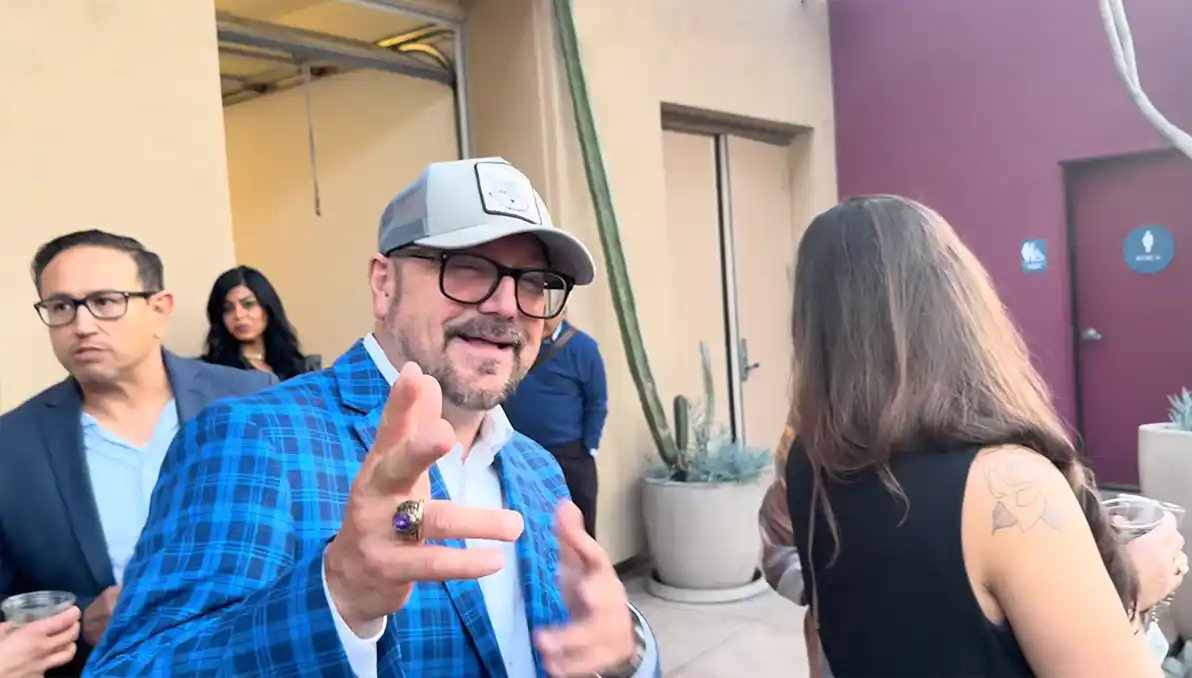
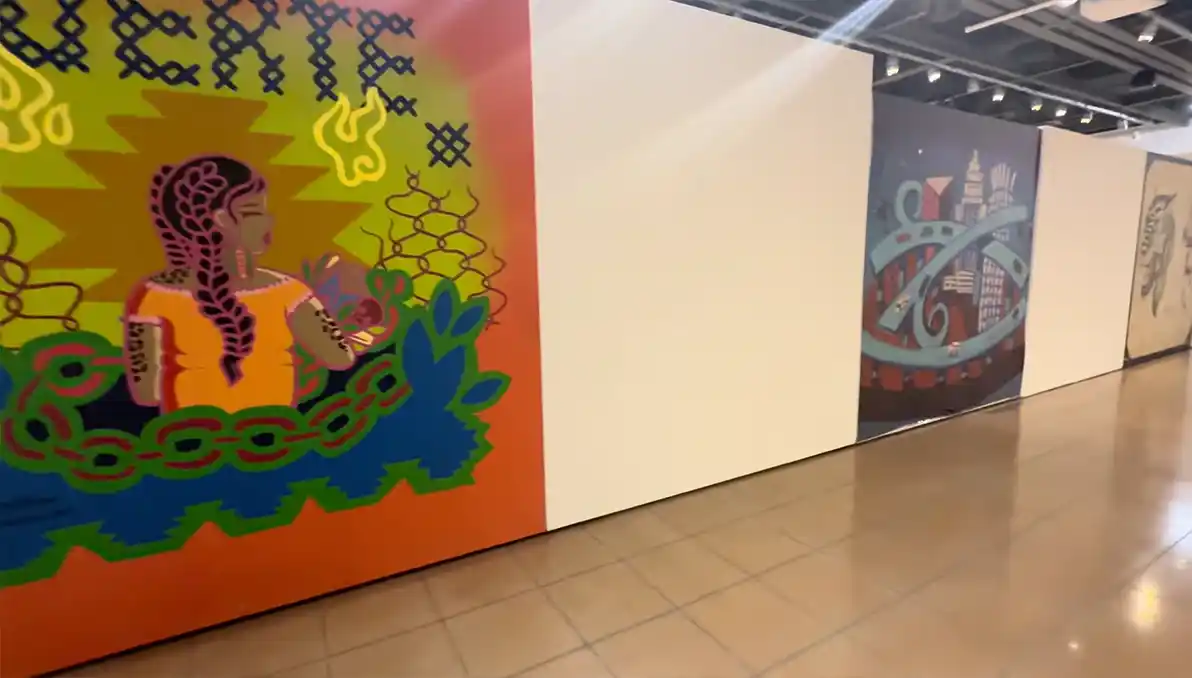
That spirit carried into the exhibitions themselves. The opening brought together artists from Mexico, Chile, and El Salvador, each presenting work that moved between the historical and the contemporary. Their pieces explored themes such as labor, identity, memory, belonging, and the social structures that shape daily life. Together, the exhibitions created a conversation that felt layered, relevant, and deeply human.
Among the featured artists at VIP Night at MOLAA
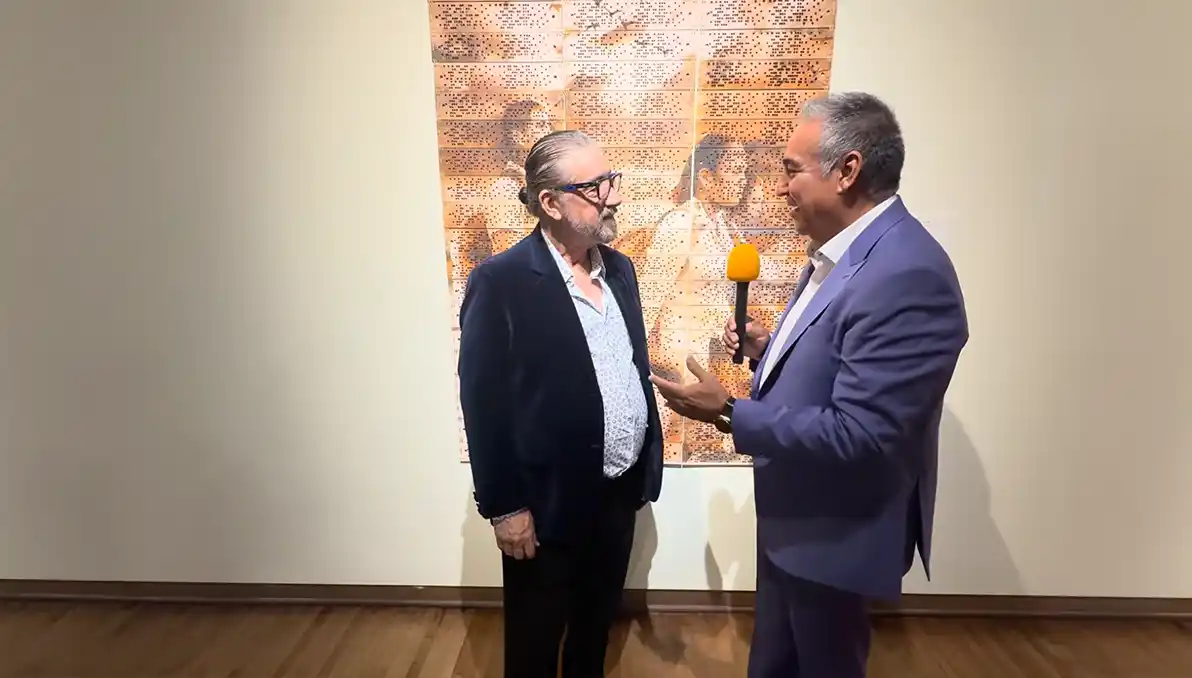
Mercedes Gertz offered one of the evening’s most conceptually rich perspectives. In an interview with German Angel, she reflected on a career spanning nearly four decades and discussed her long-standing interest in the psychological force of fairy tales and archetypes. Rather than treating these stories as innocent or decorative narratives, Gertz sees them as systems that help shape human identity. Her recent work expands this vision through collaborations with Oaxacan weavers, transforming dreams, family histories, and symbolic storytelling into intricate textiles. The result is both intimate and expansive, rooted in craft yet open to broader cultural interpretation.
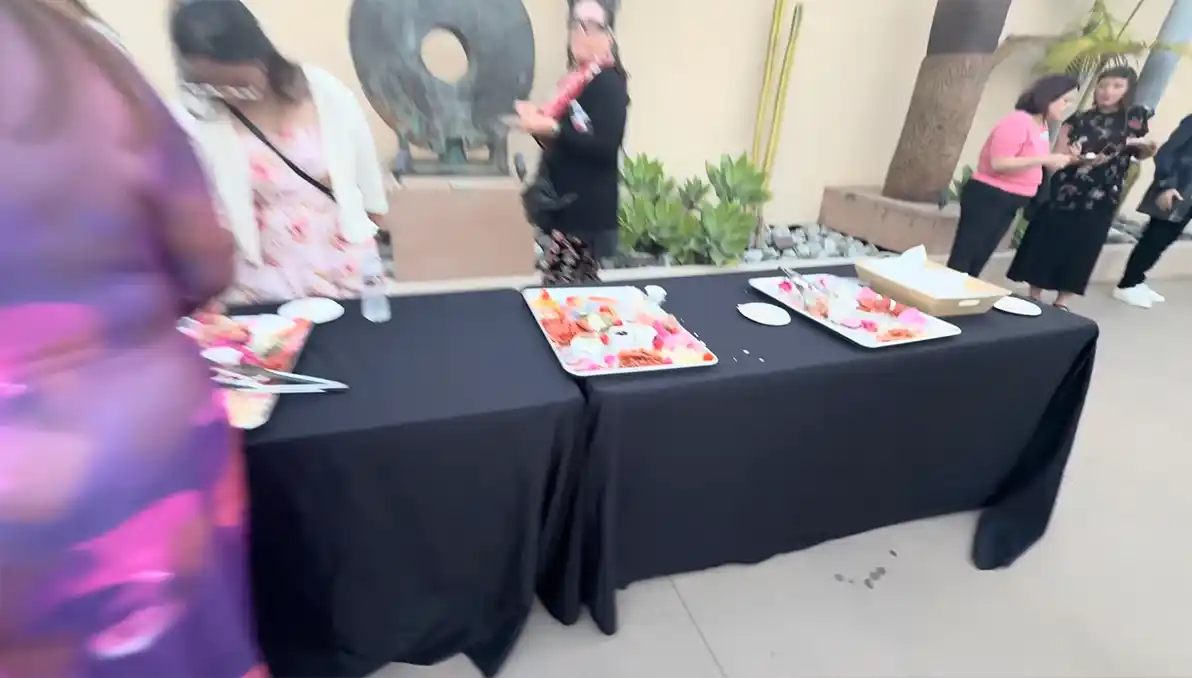
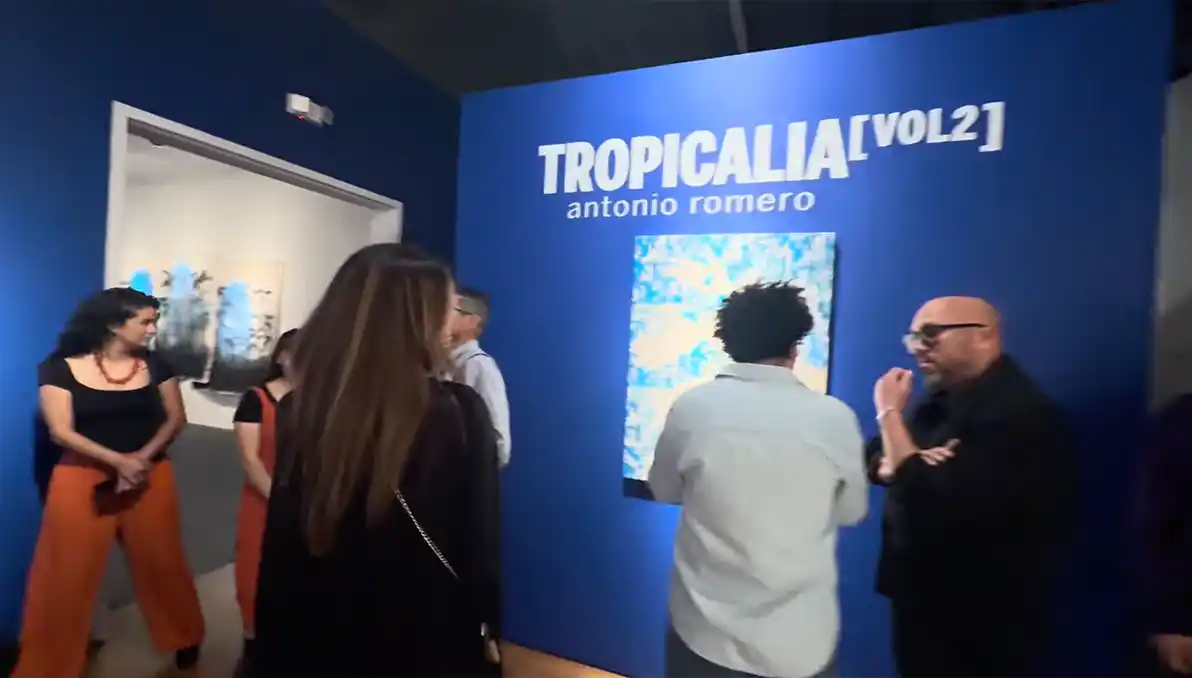
Antonio Romero, the Salvadoran artist behind the series Tropicalia, brought another striking dimension to the evening. His work unfolds as a visual narrative told in chapters, exploring the relationship between tropical environments and the people who inhabit them. With more than two decades of artistic experience, Romero moves away from expected folkloric interpretations and instead focuses on urban realities, emotional atmosphere, and contemporary human connection. His work feels modern, thoughtful, and unafraid to challenge simplified readings of identity.
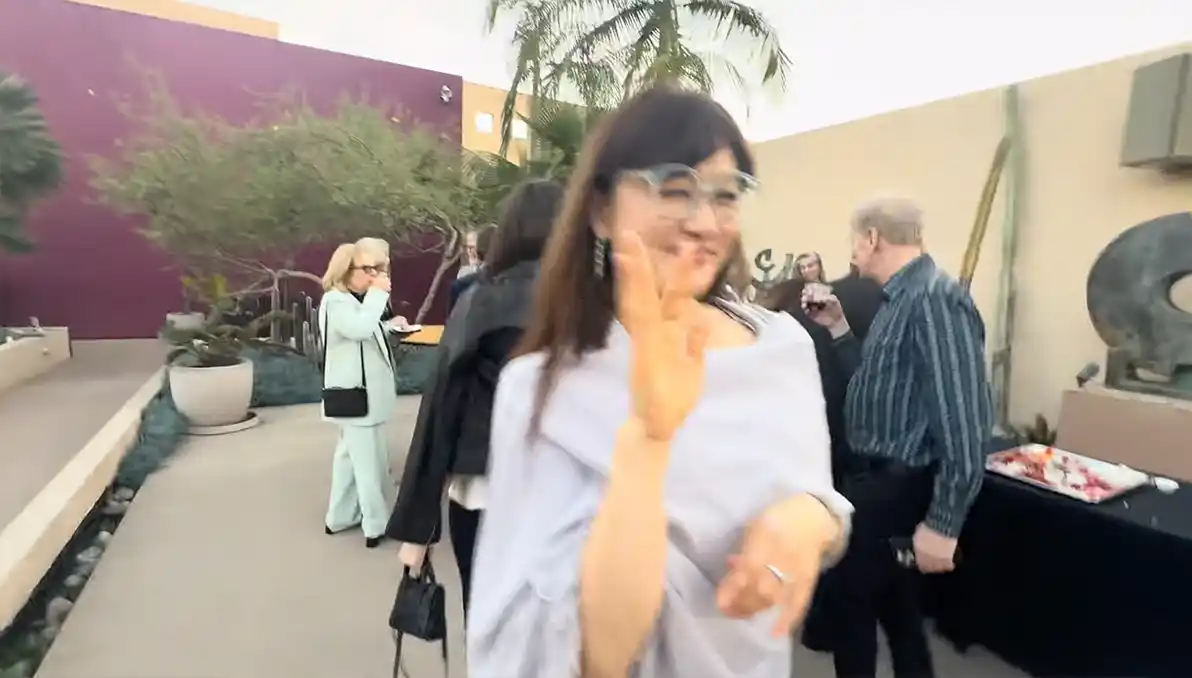
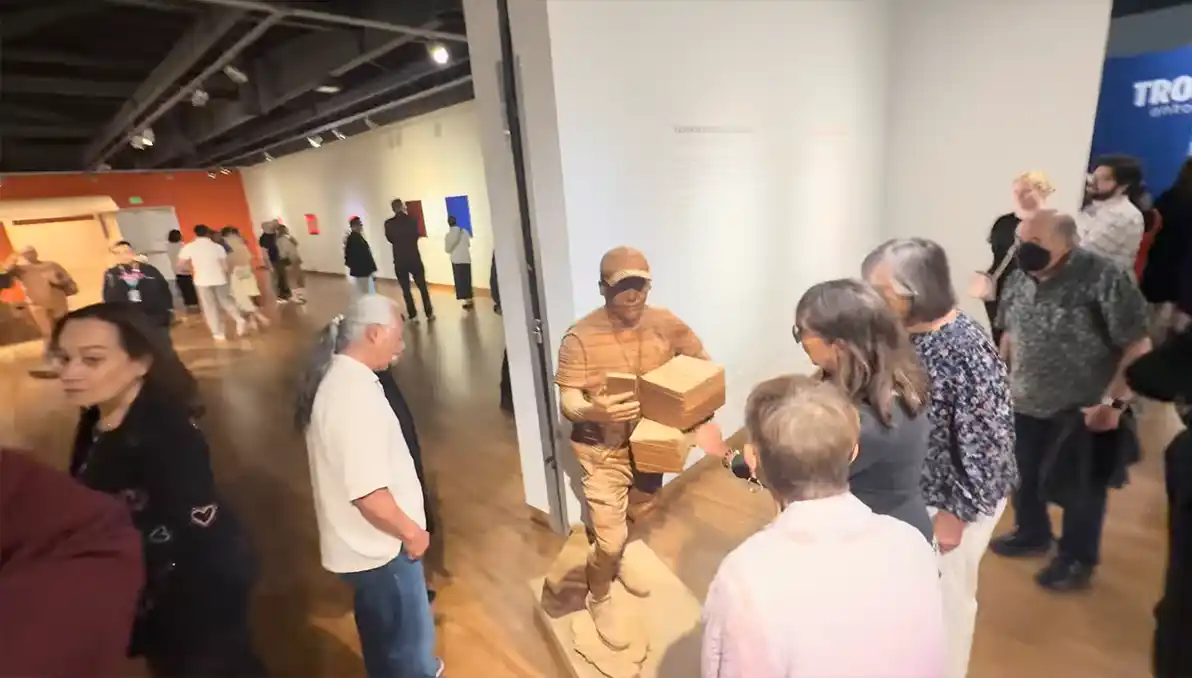
Guillermo Bert, the Chilean artist featured in the exhibition, introduced an especially timely concept through what he describes as “techno-empathy.” Using tools such as artificial intelligence and 3D scanning, Bert explores how technology can be used not to distance people, but to deepen human recognition. His work pays tribute to frontline workers, transforming them into symbols of visibility and dignity. In a cultural moment increasingly shaped by digital systems, his practice stands out for keeping the emotional core of art intact.
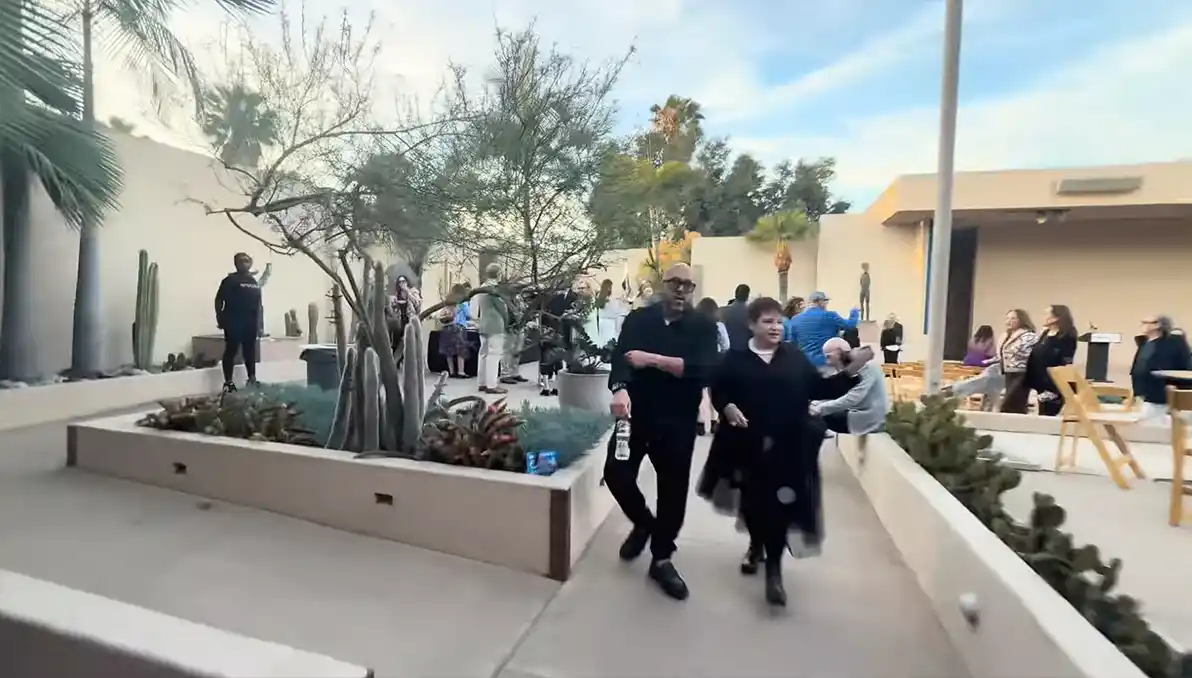
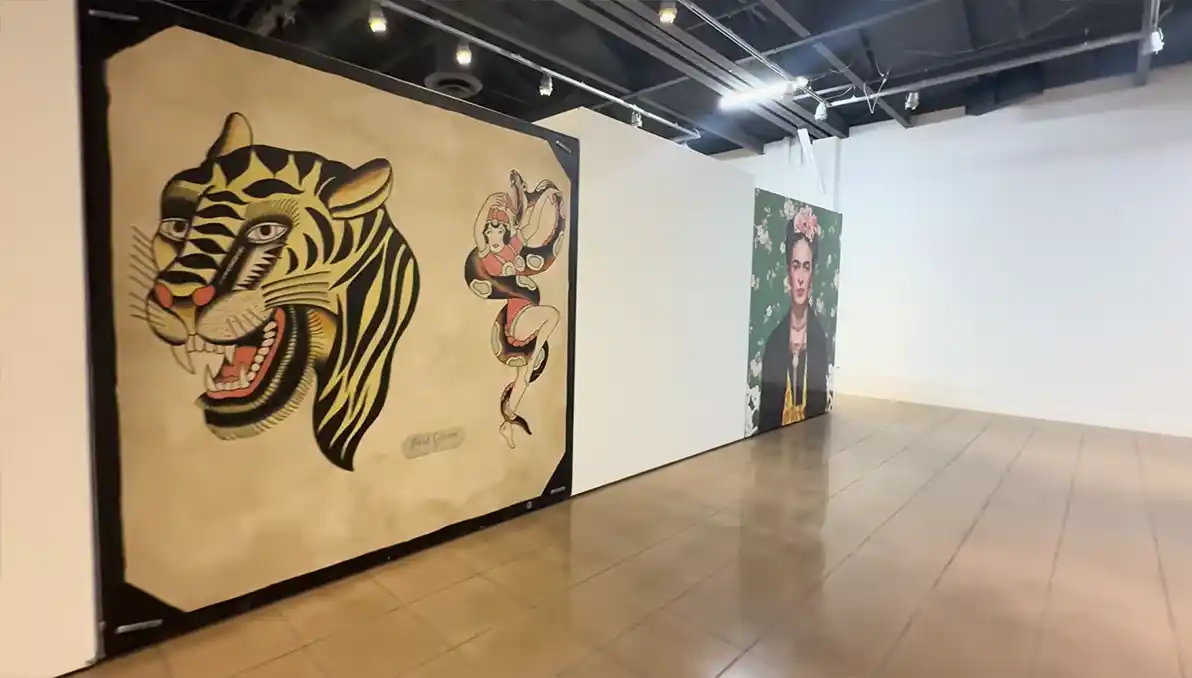
As the evening continued, we had the opportunity to move through MOLAA’s galleries with our camera, observing the exhibitions up close and documenting the atmosphere of the night. Seeing the works in person added another layer to the experience. Each piece interacted with the museum space differently, inviting visitors into moments of reflection, curiosity, and dialogue. The exhibitions did not feel static. They felt alive in conversation with the audience.
That immersive quality is one of the reasons MOLAA continues to matter. The museum is not only preserving and presenting Latin American art; it is actively projecting it into the future. Ramos Rivas also highlighted important institutional progress, including new acquisitions for the permanent collection and the museum’s participation in high-level international cultural spaces. These are not minor milestones. They reinforce MOLAA’s role as a dynamic institution that continues to evolve while staying grounded in community.
By the end of the evening, one message stood above the rest: art remains one of the most powerful tools we have for connection, identity, and transformation. MOLAA is building more than exhibitions. It is building belonging. It is creating a home for stories that deserve to be seen, heard, and valued.
Museum of Latin American Art (MOLAA)
628 Alamitos Ave, Long Beach, CA 90802
For readers of Best of LA looking to Discover LA through spaces that offer depth, creativity, and real cultural impact, MOLAA is worth the trip. It is one of those places that expands how we think about the region, about community, and about the future of contemporary art. For anyone following LA Events with an eye toward substance and inspiration, this was the kind of night that stays with you.
MOLAA is not only celebrating Latin American art. It is helping shape where that art goes next.