Yves Saint Laurent – The Timeless Legacy of a Fashion Icon
Few names resonate in the world of fashion as powerfully as Yves Saint Laurent Fashion House Fashion in Los Angeles, nown as one of the greatest designers of the 20th century, YSL built an empire that redefined how we see luxury, elegance, and individuality. His work not only shaped haute couture but also opened the doors for ready-to-wear fashion, making high style accessible to a wider audience. His genius was not just in creating garments but in shaping culture, pushing boundaries, and redefining the role of fashion in everyday life.
Yves Saint Laurent
Fashion Icon
Early Life and Rise in Paris
Born in Oran, Algeria, in 1936, Yves Saint Laurent showed a passion for design at an early age. As a teenager, he would design dresses for his mother and sisters, displaying a rare talent for detail, elegance, and modernity. At just 17, he moved to Paris, where his sketches quickly caught the attention of fashion editors. His unique vision opened the doors to the world of haute couture.
Soon after, he was introduced to Christian Dior, the legendary designer who saw Saint Laurent’s potential immediately. When Dior passed away suddenly in 1957, the 21-year-old Yves Saint Laurent became the head designer of the House of Dior. His debut collection was a triumph, saving the company financially and earning him recognition as fashion’s new prodigy.
The Birth of Yves Saint Laurent Fashion House
In 1961, Yves Saint Laurent, alongside his lifelong business partner and companion Pierre Bergé, founded the Yves Saint Laurent fashion house. The first collections shocked the fashion world with bold lines, sharp tailoring, and a fearless redefinition of femininity.
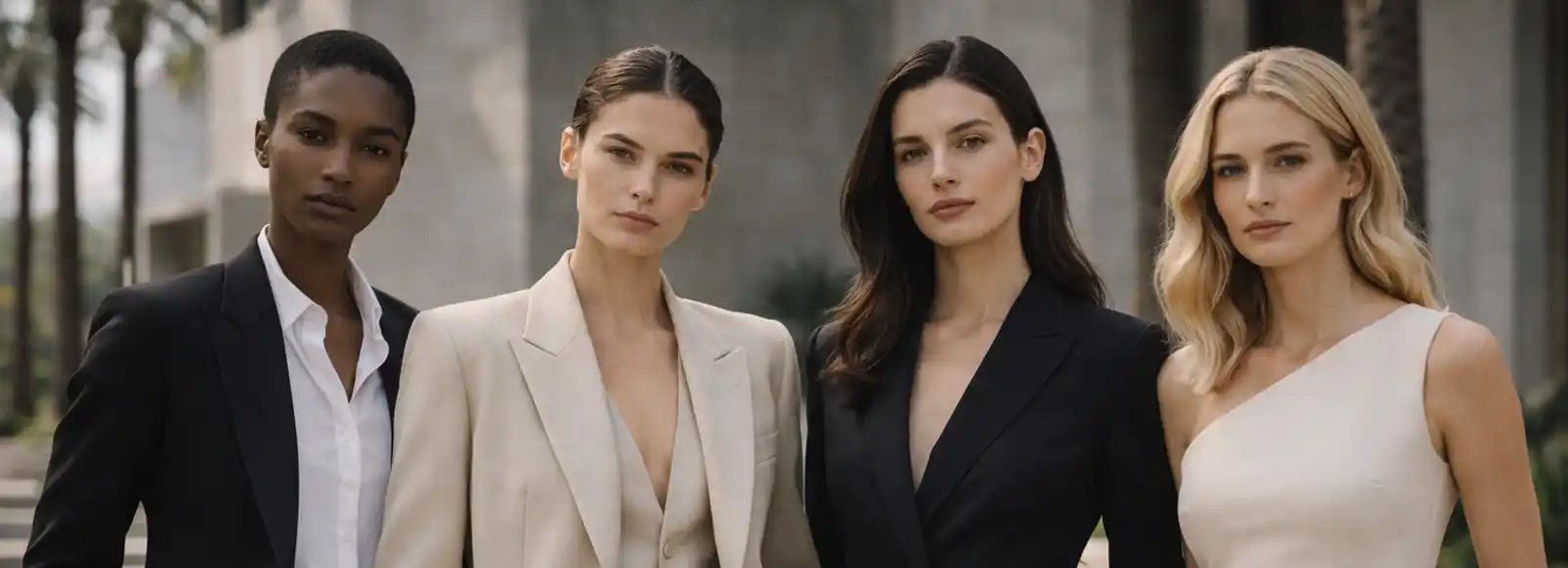
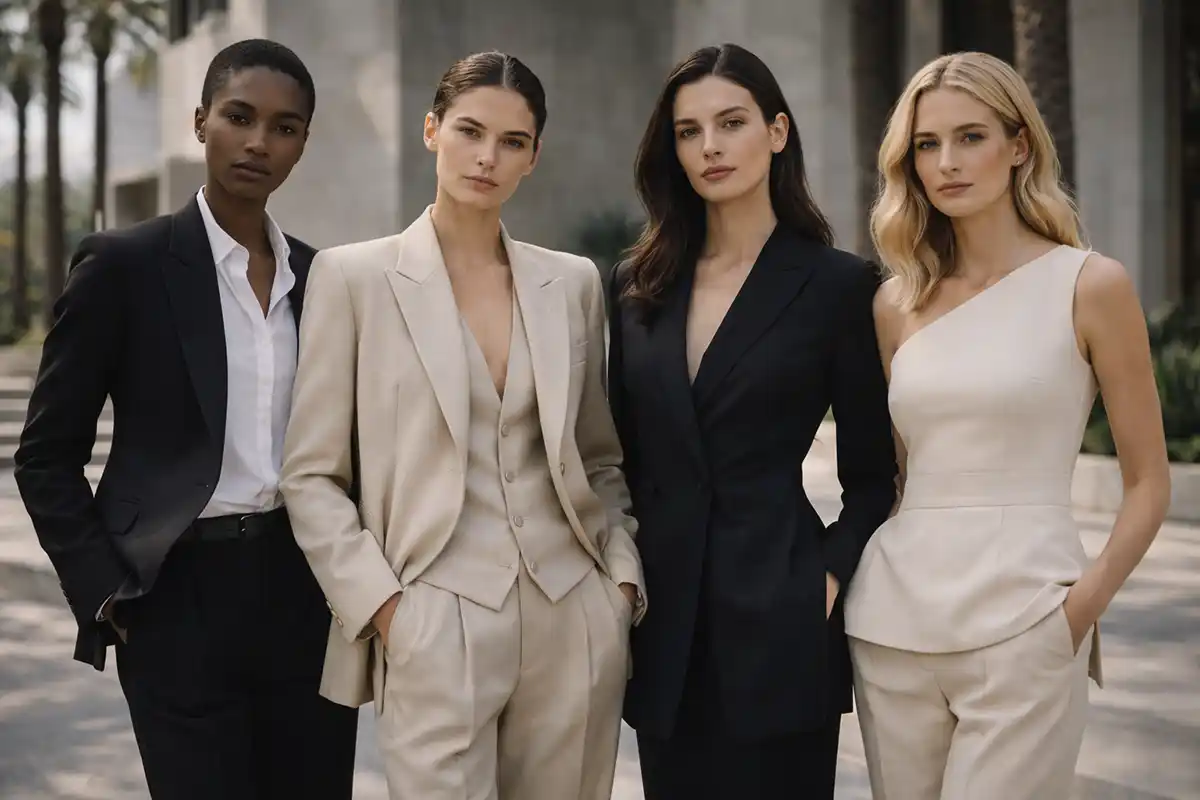
One of his most revolutionary creations, introduced in 1966, was the “Le Smoking” tuxedo suit for women. This design challenged traditional gender roles, allowing women to embrace strength and sophistication through tailoring traditionally reserved for men. The tuxedo became a symbol of empowerment and remains an enduring icon of modern fashion.
Sponsored Articles




Revolutionizing Ready-to-Wear
Before Yves Saint Laurent, haute couture dominated luxury fashion and was accessible only to an elite clientele. YSL disrupted this exclusivity by launching Rive Gauche, his ready-to-wear line, in 1966. The move was revolutionary: for the first time, luxury fashion could be purchased by a broader audience.
This bold step democratized fashion, giving modern women access to stylish, high-quality clothing that expressed freedom and individuality. His boutiques became symbols of liberation, especially for younger generations who sought fresh ways to define themselves through fashion.
Signature Style and Artistic Influence
Yves Saint Laurent was more than a designer; he was an artist who translated culture, art, and history into fashion. He drew inspiration from great artists such as Picasso, Mondrian, and Matisse, transforming their work into iconic garments. The famous Mondrian dress of 1965, with its bold geometric shapes and colors, remains one of the most recognizable examples of fashion as wearable art.
But Saint Laurent’s creativity extended far beyond artistic collaborations. His collections introduced:
- Safari jackets and trench coats, transforming functional pieces into stylish essentials.
- Sheer blouses and see-through fabrics, challenging modesty standards and redefining sensuality.
- Ethnic-inspired designs, celebrating African, Russian, and Asian cultures, bringing global diversity to the runway long before it was common.
Through these innovations, YSL reshaped the language of fashion, merging modern elegance with cultural storytelling.

Empowering Women Through Fashion
Perhaps Yves Saint Laurent’s greatest legacy lies in the way he empowered women. He designed clothes that gave women the confidence to feel strong, elegant, and independent. His tuxedos, pantsuits, and tailored silhouettes were not just garments—they were statements of identity.
His work anticipated the feminist movement, giving women a wardrobe that matched their changing roles in society. By combining strength and sensuality, Yves Saint Laurent created designs that allowed women to claim power without sacrificing elegance.
The YSL Brand Beyond Yves
In 2002, Yves Saint Laurent retired from fashion after decades of innovation. His farewell show in Paris was a celebration of his life’s work, attended by celebrities, artists, and fashion leaders from around the world. He passed away in 2008, but his influence remains alive in every stitch of the YSL brand.
Today, under the creative direction of Anthony Vaccarello, Saint Laurent continues to honor its founder’s spirit with sleek, daring, and modern collections. Vaccarello’s work balances contemporary edge with Saint Laurent’s timeless DNA, ensuring that the brand remains one of the most prestigious names in global fashion.
YSL in Global Culture and Los Angeles
From Paris to Los Angeles, Yves Saint Laurent has become a symbol of timeless glamour. His designs are favorites on Hollywood red carpets, worn by A-list celebrities at premieres, award shows, and fashion events. Stars like Cate Blanchett, Angelina Jolie, and Harry Styles have embraced YSL for its ability to combine elegance with boldness.
Beyond clothing, the brand has expanded into accessories, beauty, and fragrance, with the YSL Beauté line becoming a powerhouse in luxury cosmetics. In Los Angeles and across the world, YSL is more than fashion—it’s a lifestyle of sophistication, individuality, and empowerment.
Yves Saint Laurent’s journey was more than the story of a designer—it was the story of a visionary who dared to rewrite the rules of style. He brought art, culture, and empowerment into the fashion industry, leaving a legacy that transcends time.
Whether through his legendary couture, iconic ready-to-wear, or the cultural impact of his brand, YSL remains a fashion giant whose influence continues to inspire designers, artists, and style enthusiasts across generations. His message was clear: fashion is freedom, and elegance is eternal.