Little Tokyo's Oshogatsu: Where Tradition Meets Celebration
While much of Los Angeles rushes back to routine after the holidays, Little Tokyo offers something more intentional—a three-week celebration that transforms the first days of the year into a meditation on renewal, community, and cultural continuity.
Oshogatsu, Japan’s most significant annual observance, arrives in Los Angeles as a series of thoughtfully curated events that honor tradition while welcoming everyone to participate. The 2026 celebrations, marking the Year of the Horse, present multiple opportunities to experience a culture that approaches the New Year with reverence rather than revelry.
Three Events, Three Perspectives
The Little Tokyo New Year’s Festival on January 1 at Weller Court and Japanese Village Plaza opens the season with visceral energy Taiko drumming that you feel in your chest, a kimono fashion show that’s equal parts art and aspiration, and a sake fest that introduces attendees to Japan’s most refined craft beverage. It’s celebratory without being chaotic.
Sponsored Articles




January 3 & 4 bring the Oshogatsu Weekend at JACCC, where rare Kyudo (Japanese archery) demonstrations offer something seldom seen outside Japan. The precision and philosophy behind each arrow’s release provides a compelling counterpoint to our typically hurried existence. Traditional mochi-making and intimate Koto concerts complete an experience designed for those who appreciate nuance.
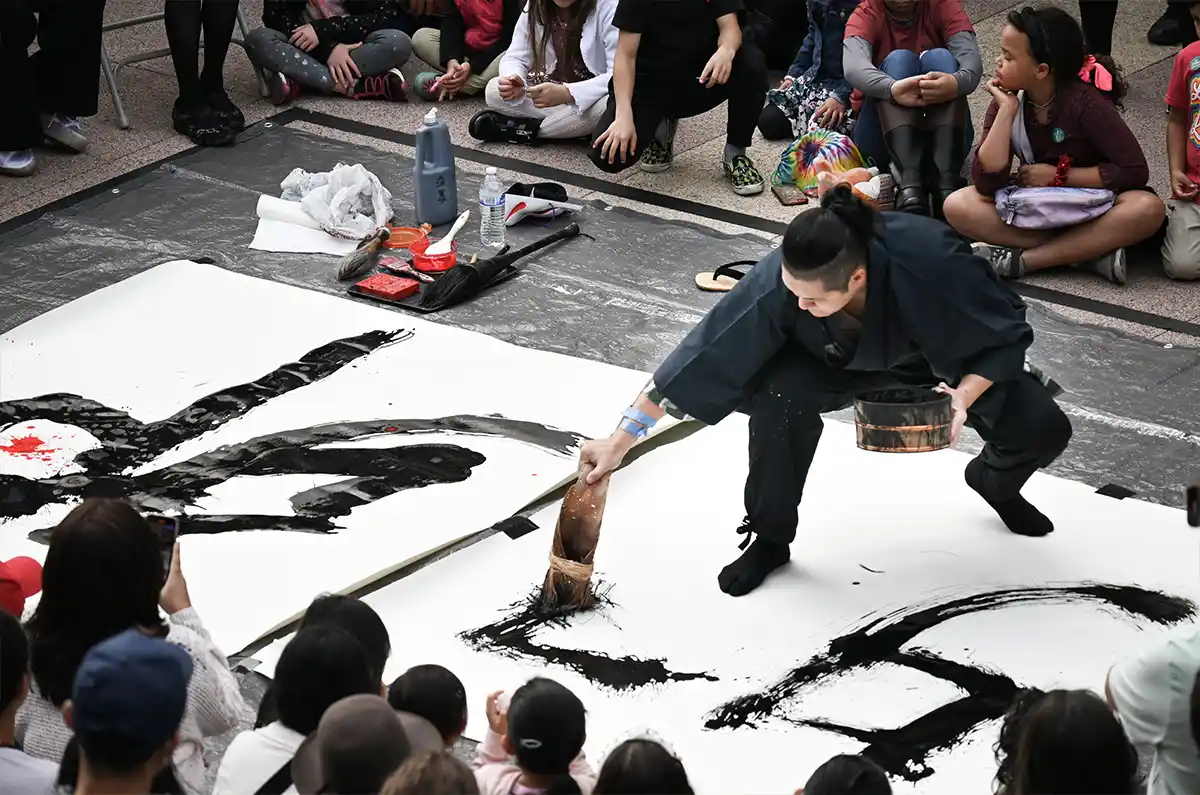
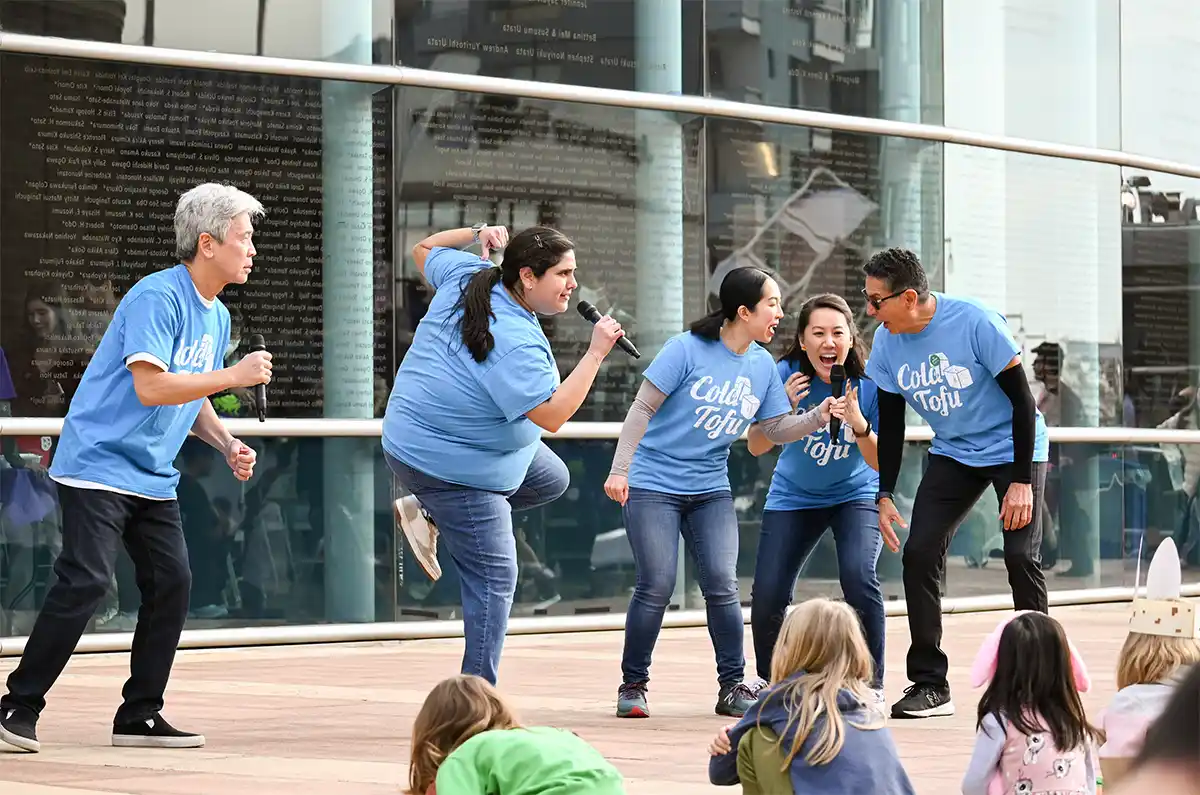
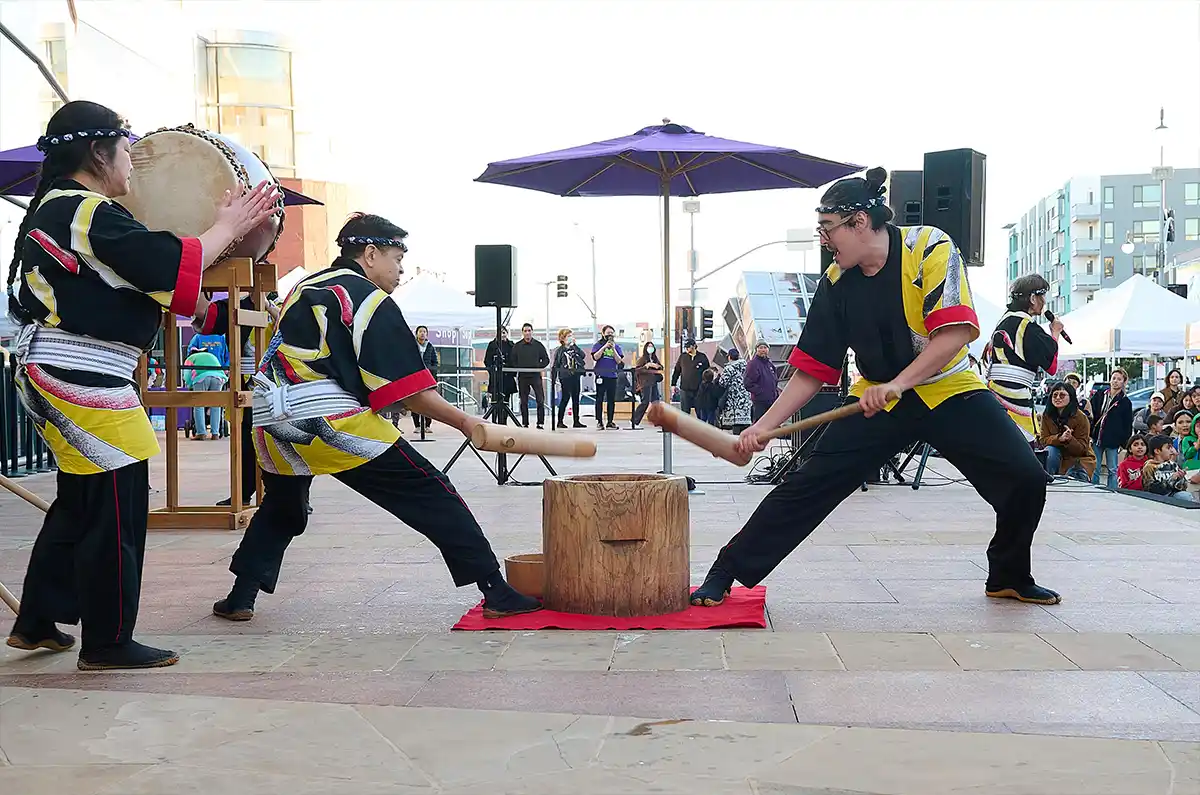
The centerpiece arrives January 11 with JANM’s Oshogatsu Family Festival at JACCC (11 AM–4:30 PM). The Kodama Taiko group leads mochitsuki—traditional rice-pounding that’s simultaneously performance and participatory ritual. Calligrapher Kuniharu Yoshida demonstrates an art form where breath, intention, and movement converge in a single stroke. Horse-inspired origami for children and improv comedy by Cold Tofu ensure accessibility across generations.
More Than Mochi
What distinguishes Oshogatsu is its underlying philosophy. Hatsumode—the first shrine visit of the year—represents conscious intention-setting rather than casual resolutions. The elaborate osechi-ryori cuisine transforms food into symbolic prayer, each dish carrying specific meaning: black soybeans for diligence, lotus root for clear vision ahead, shrimp for longevity.
These aren’t museum exhibits but living traditions practiced by Los Angeles families who maintain connections to heritage while building contemporary lives—something many of us understand intimately.
Worth the Journey Downtown
Little Tokyo’s Oshogatsu events require nothing more than curiosity and respect. They offer what January often promises but rarely delivers: a genuine reset, grounded in practice rather than platitude.
Multiple Oshogatsu events run January 1–11, 2026, throughout Little Tokyo.
Details available through JANM.org and JACCC.org.
Oshogatsu Family Festival Photos
A traditional mochitsuki performance where rice is pounded into a smooth and elastic dough called mochi. Photo by Mike Palma.
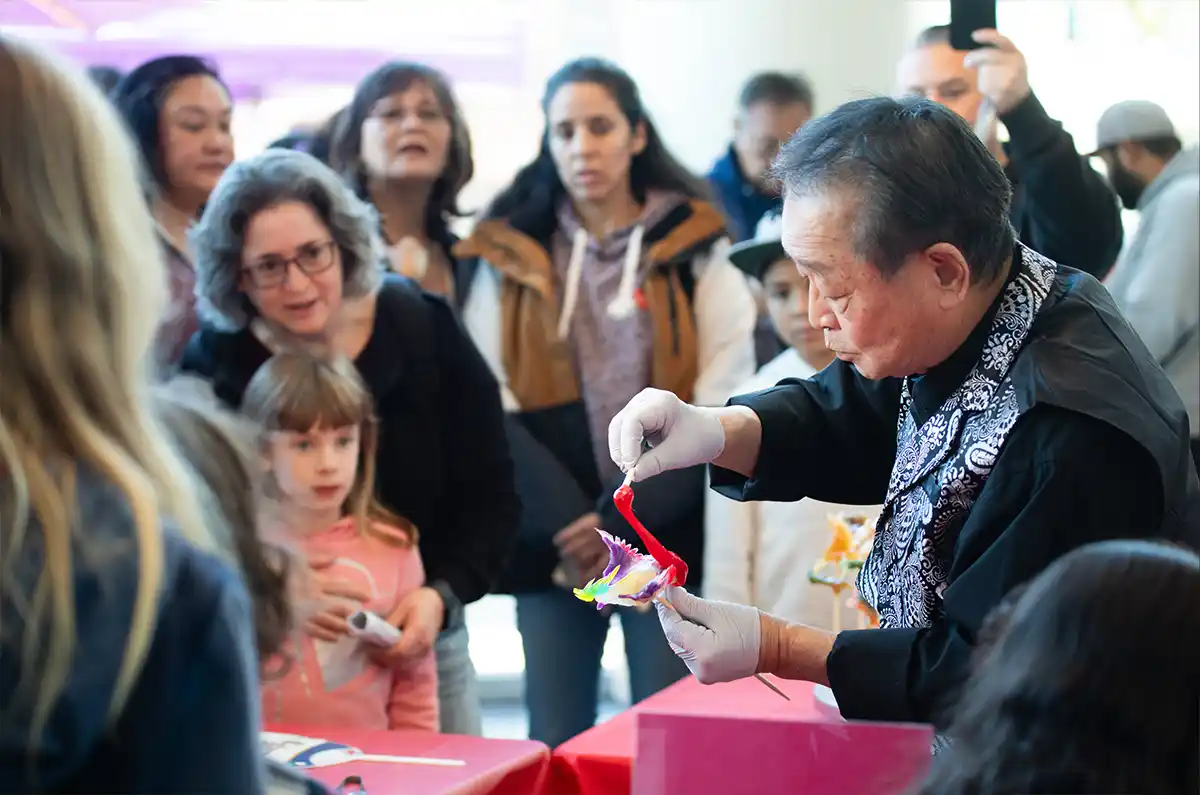
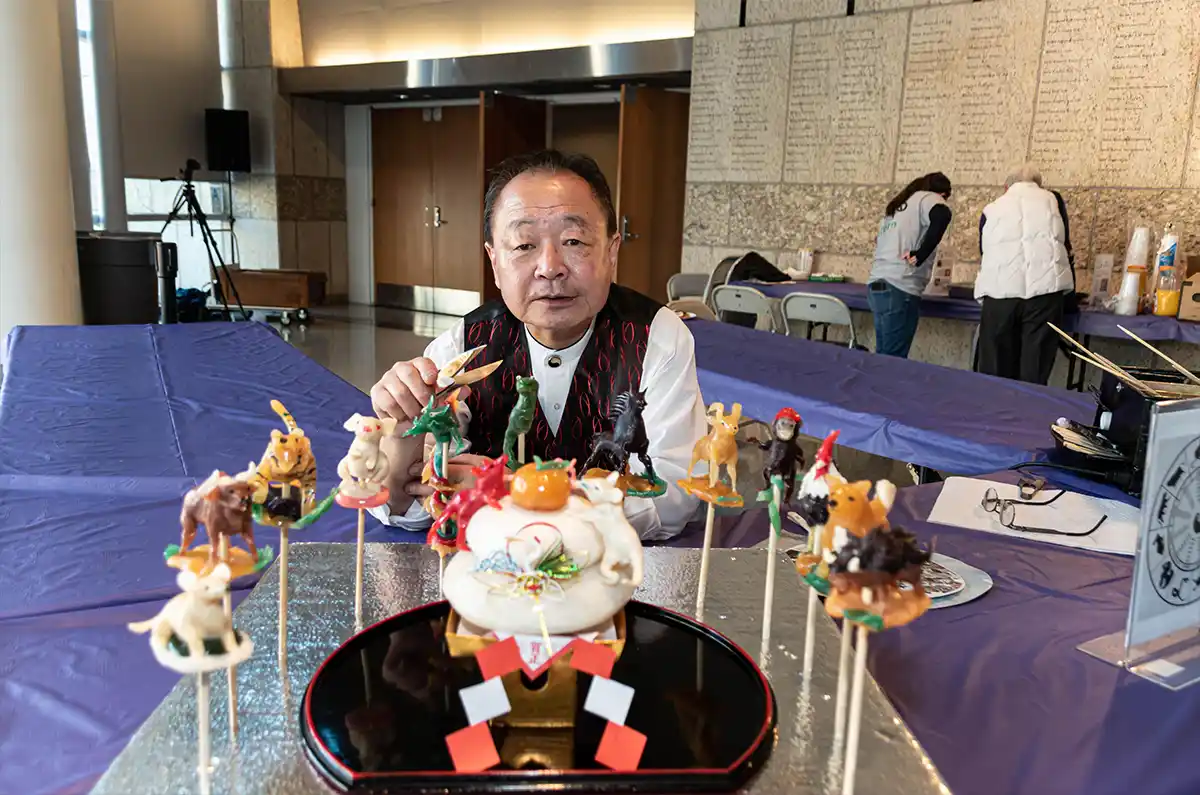
Shan Ichiyanagi, known as Shan the Candyman, demonstrates the ancient, and now rarely practiced, Asian folk art of candy sculpting. Photo by Tsuneo Takasugi.
Shan Ichiyanagi, known as Shan the Candyman, makes candy in the shape of Asian zodiac animals and other shapes found in nature.Photo by KazzMorohashi.
Cold Tofu, the nation’s longest running, Asian-American improv and sketch comedy group, puts on a performance where they improvise scenes and games based on audience suggestions. Photo by Doug Mukai.
Calligrapher and dancer Kunihara Yoshida merges the traditional with the contemporary in his art. Photo by Ben Furuta.
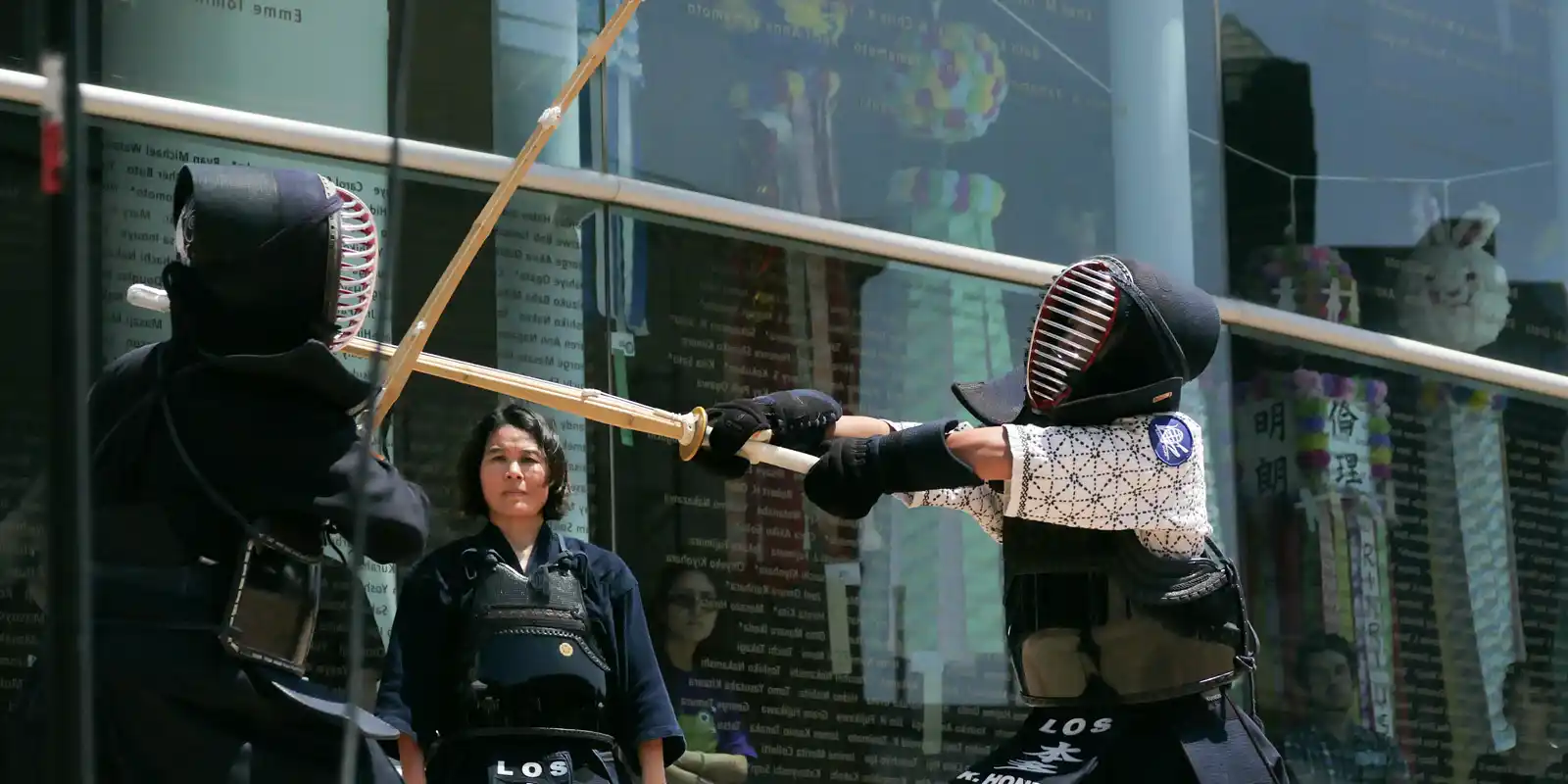
A kendo demonstration led by Sho Tokyo Kendo Dojo, a member dojo of the Southern California Kendo Federation. Photo by Cooper Cuya.
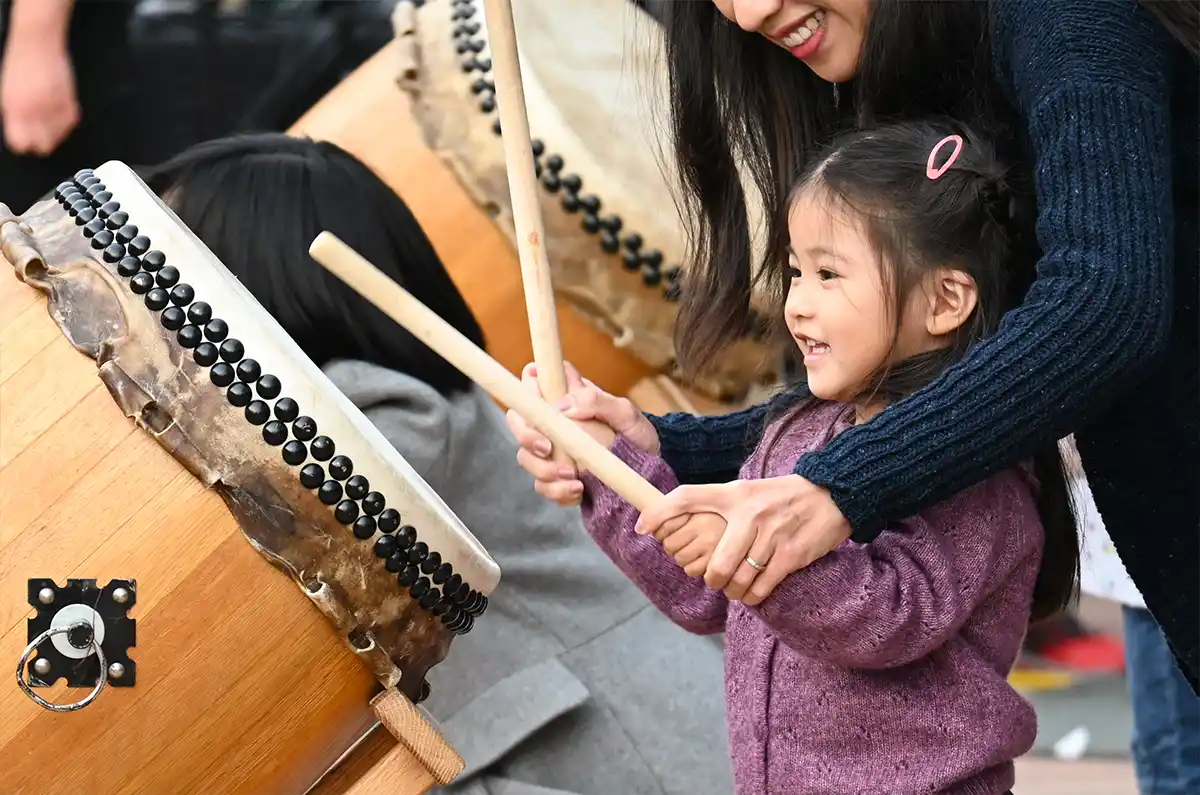
A young visitor plays the taiko drums. Photo by Doug Mukai.