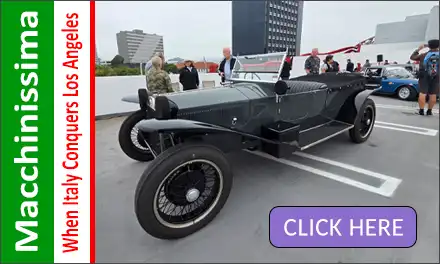
Macchinissima
Macchinissima at Petersen Museum: When Italy Conquers Los Angeles in the Heart of Petersen
On the second floor of the Petersen Museum, where automotive history breathes between walls of steel and glass, something magical happened. It wasn’t just another car event—it was the moment the city’s Italian passion found a perfect couple of hours. Macchinissima III arrived at the temple of car culture, transforming the prestigious museum into a piece of Bella Italia, where each machine was not only exhibited but also told epic stories of speed, beauty, and limitless genius.
Located on Los Angeles’ legendary Miracle Mile, the Petersen Museum transcends the traditional definition of a museum. Since its opening in 1994, this four-story, 300,000-square-foot architectural colossus has established itself as the nation’s premier automotive cultural epicenter.
Michael Baum didn’t just organize an event—he created a cultural revolution. For three years, this visionary cultivated something that transcended traditional car gatherings. What started as an idea to create “a Pebble Beach-type Concours, but fun” for Italian cars has transformed into the most significant Italian event in Los Angeles.

The event also attracts many young people who do not participate or have access to elegance competitions due to today’s high costs. Not only are there vehicles, of course there is the best espresso, gelato, biscotti, and pizza to experience as well. This year, for the first time, Macchinissima found its home at the Petersen Museum, a partnership that promises to somewhat redefine the automotive event experience in Los Angeles.
Sponsored Articles




Treasures That Defy Reality
The undisputed star for me was Bruce Meyers’ Ferrari 275 GTB, featuring the four-cam engine painted in the iconic Fly Giallo, which represents much more than speed—it is one of the most successful racing cars from Maranello. The well-known collector always has time for everyone to tell the story of the iconic Ferrari.
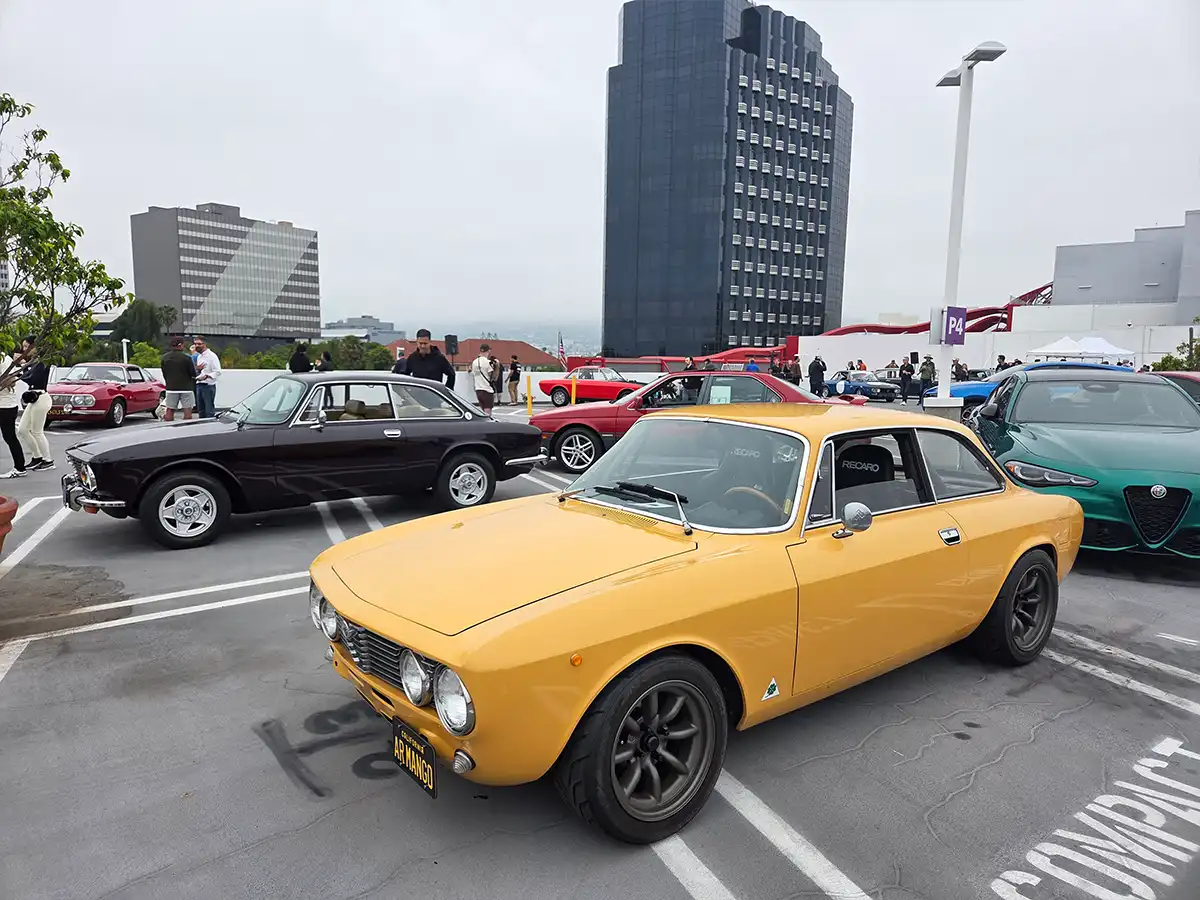
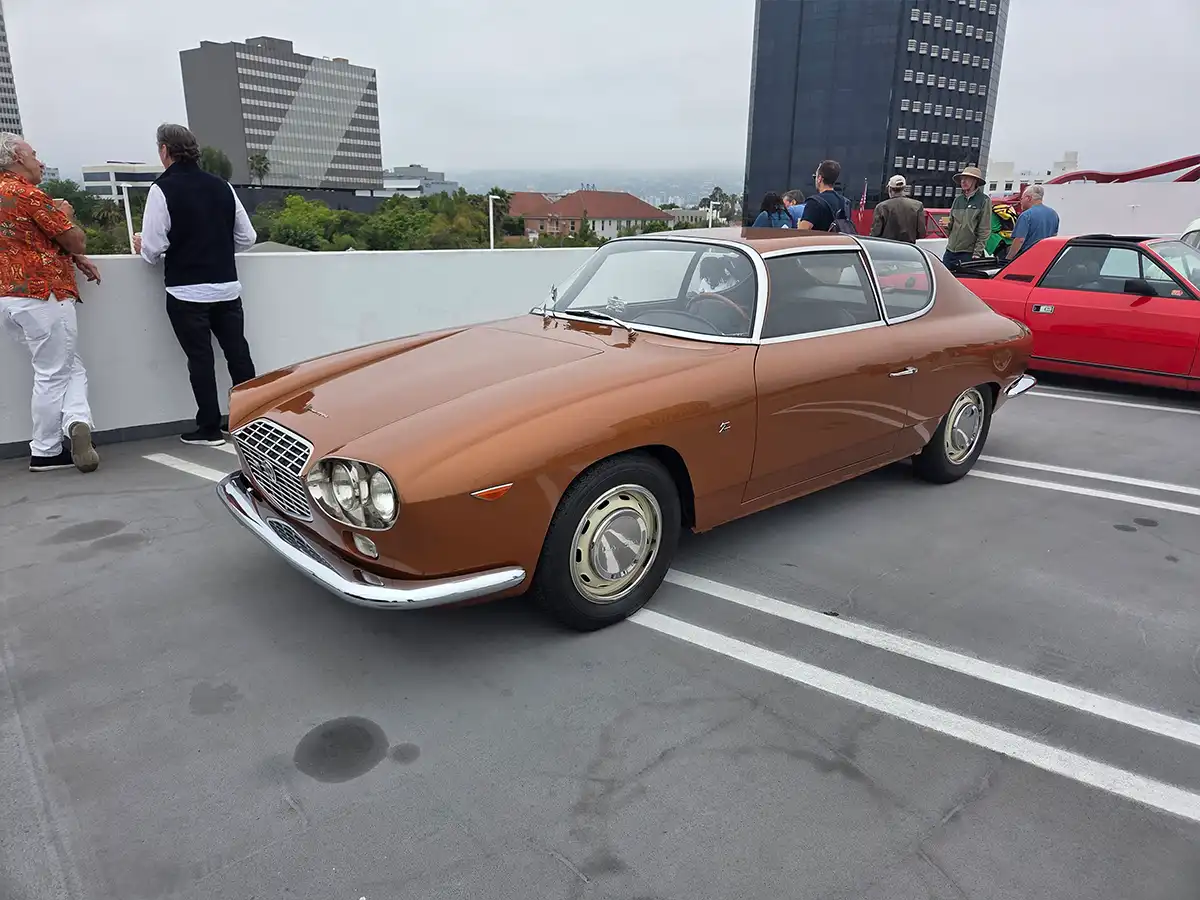
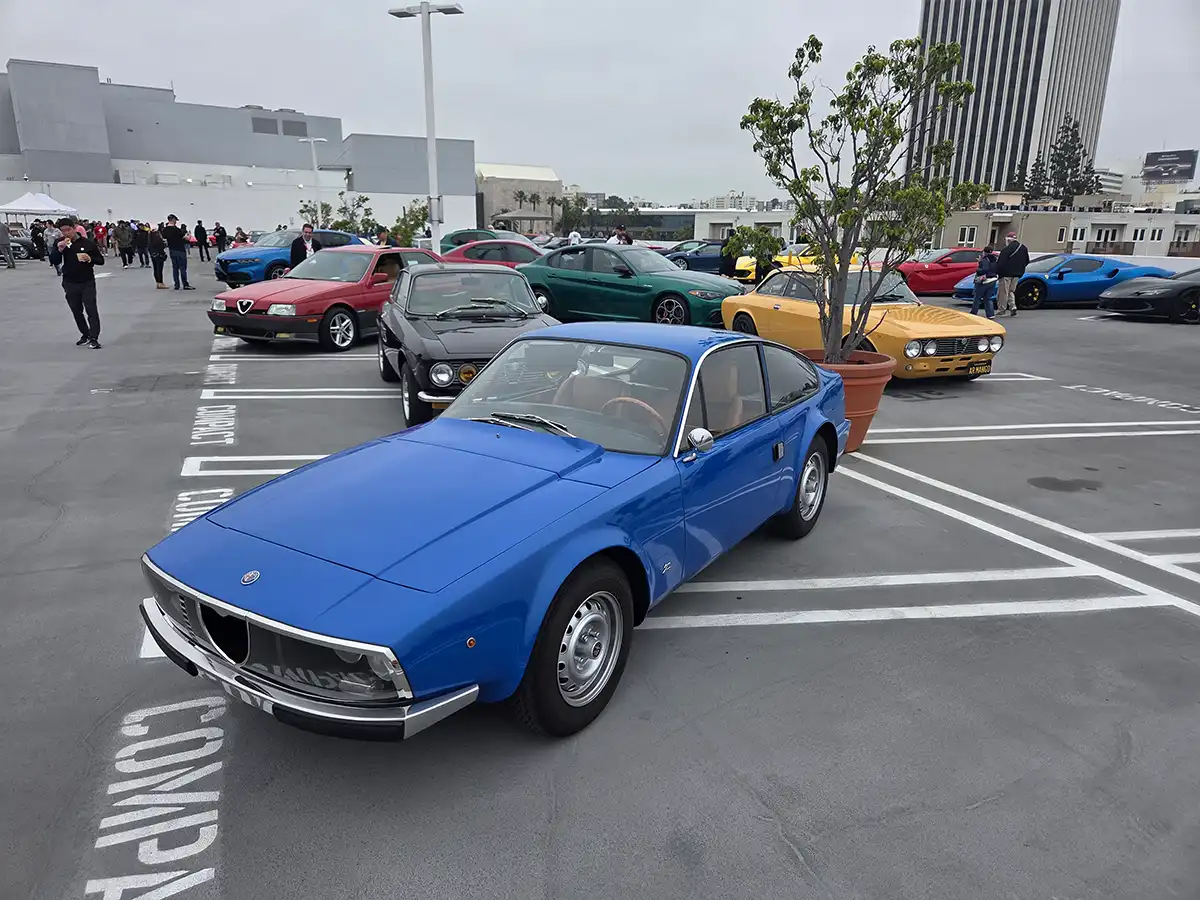
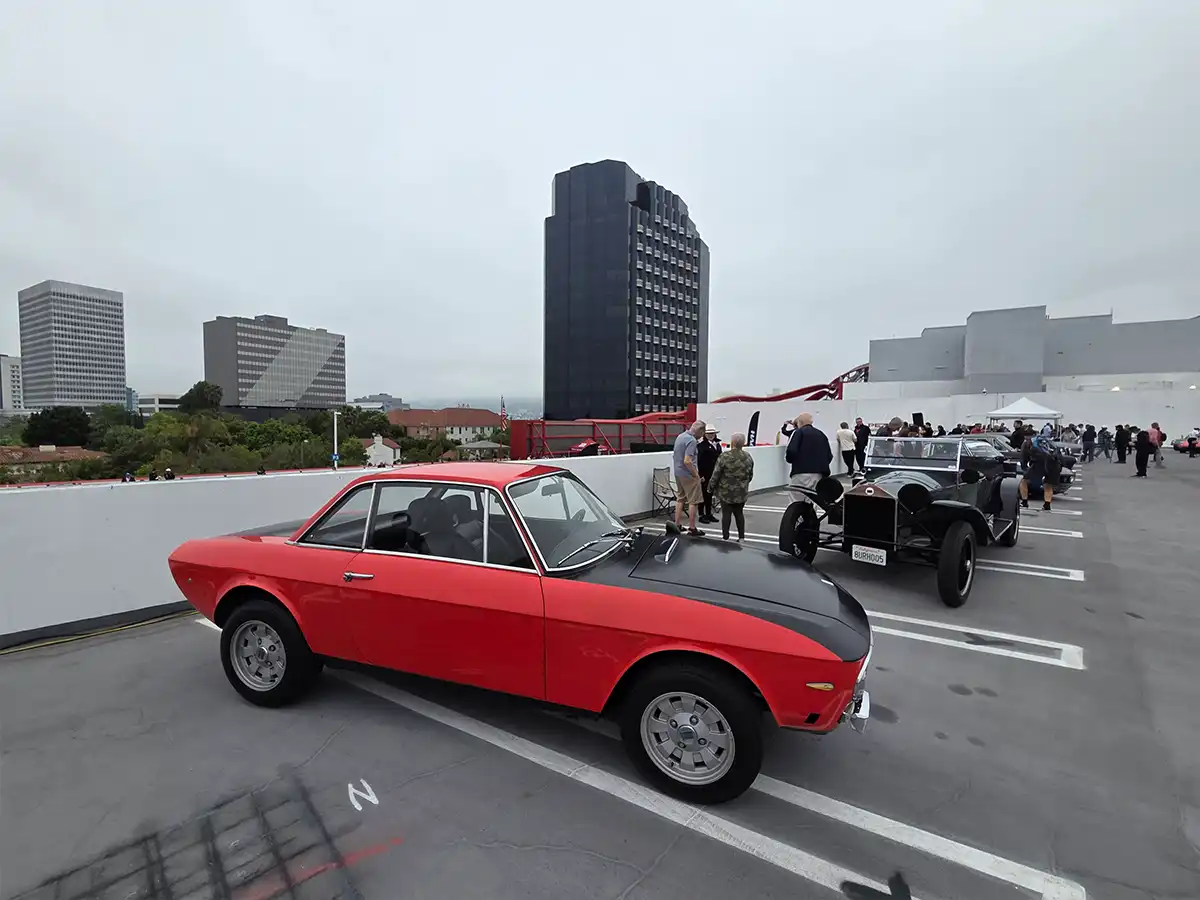
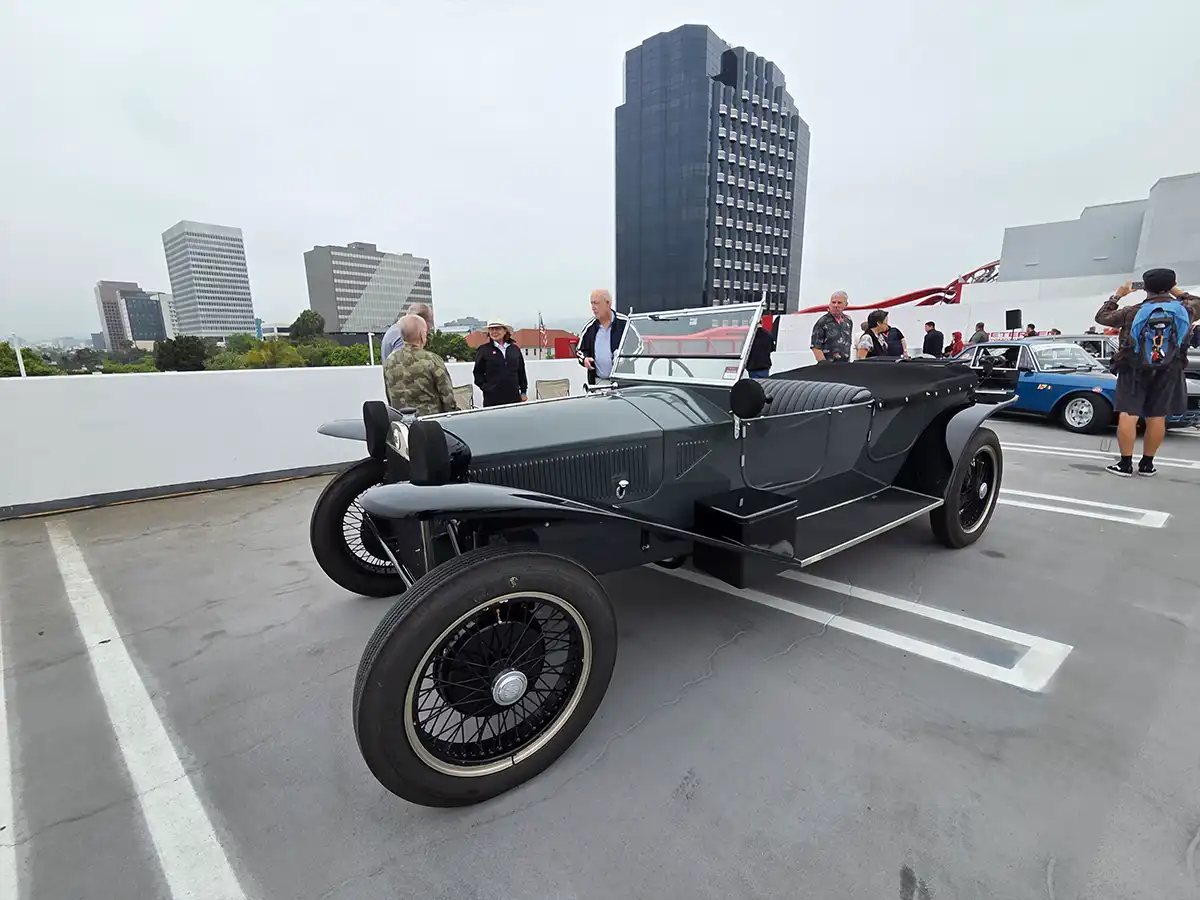
Another car that I am passionate about, having been in it twenty-five years ago, is the 1965 Iso Bizzarrini AC/3 Competition Coupe. Life has its twists, and Giotto Bizzarrini, the same engineer responsible for the legendary Ferrari 250 GTO a few years earlier, developed this car at Iso to conquer Le Mans. And he did it, with drivers Fraissinet and S. de Mortemart winning their engine class (up to five liters). The engine is a race-spec Chevrolet 327 V-8. With this triumph, Bizzarrini showed that Italian passion could shine even with an American heart. Several road cars based on this model were built and are highly sought after today.
Being next to the Ferrari Pinin gave me chills. This car stood as an automotive revelation in 1980—a unique Pininfarina creation to celebrate the design studio’s 50th anniversary. Discussed by Enzo Ferrari as a candidate for production, the project was scrapped, leaving this masterpiece as the first four-door Ferrari ever built. Its value today transcends any figure—it is an incalculable piece of automotive history.
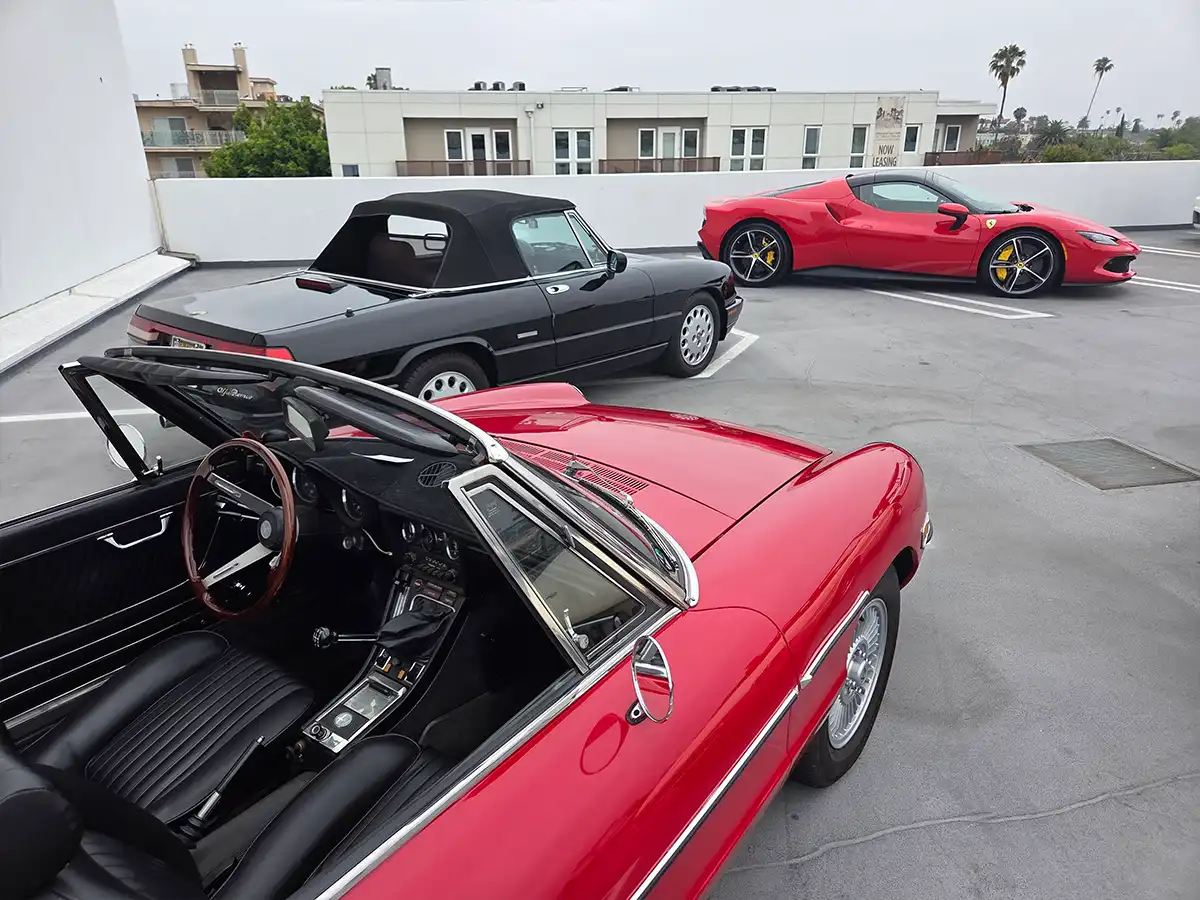
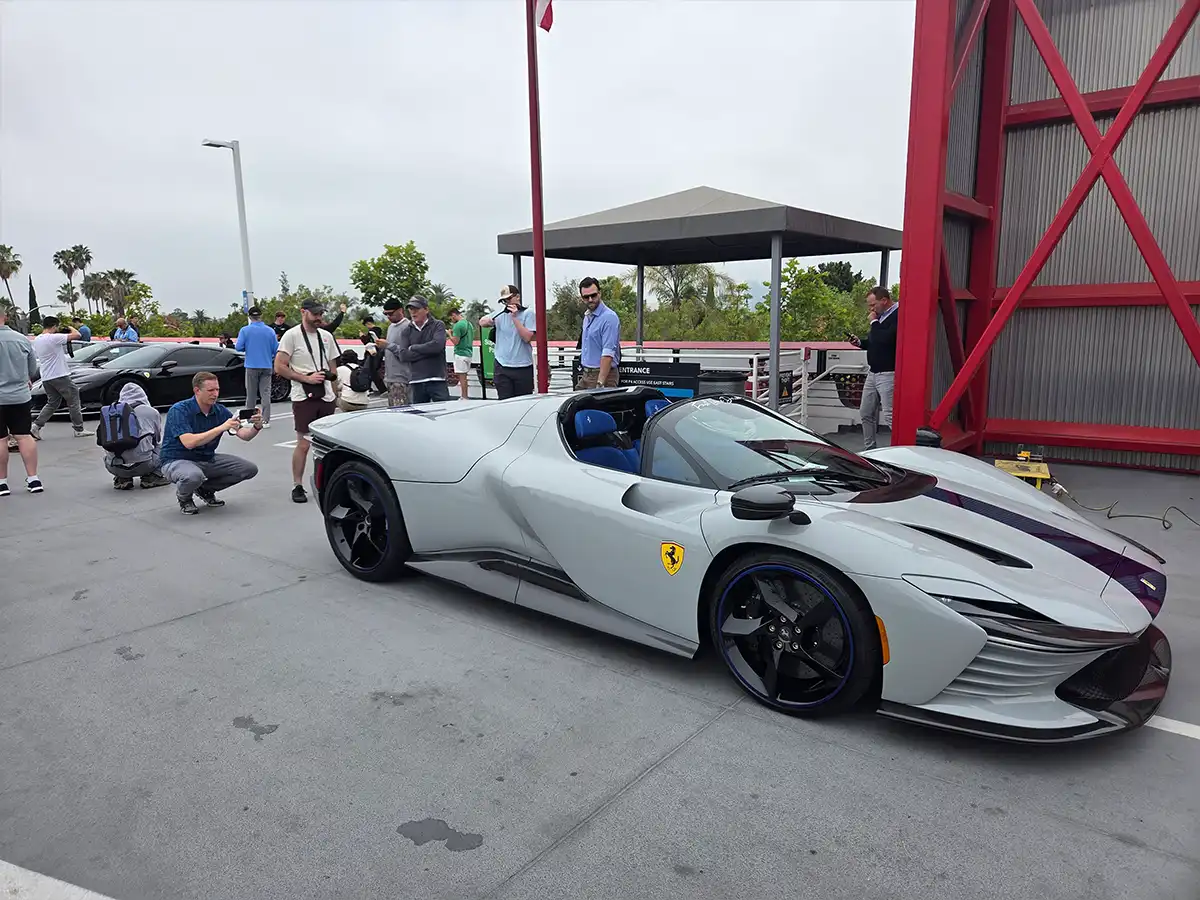
The evolution of the brand was present with modern examples that redefined the concept of the Italian supercar. The Ferrari F80 represented the technological cutting edge, while the 12 Cilindri honored the tradition of the naturally aspirated 12-cylinder engine. The SF90 XX Stradale demonstrated how hybridization could enhance, rather than compromise, the Ferrari experience today.
Among all the Alfa Romeos that came together, Giulia, Giulietta, Bertone, Sprint, etc. A Junior Zagato and a Giulia TZ stood out in my mind because they presented the essence of Alfa Romeo—radical design fused with racing engineering. The TZ, with its revolutionary tubular design and Bertone bodywork, strikes me as excellentbodywork for its time and one that was also incredibly aerodynamic, with a drag coefficient that wasn’t surpassed until decades later.
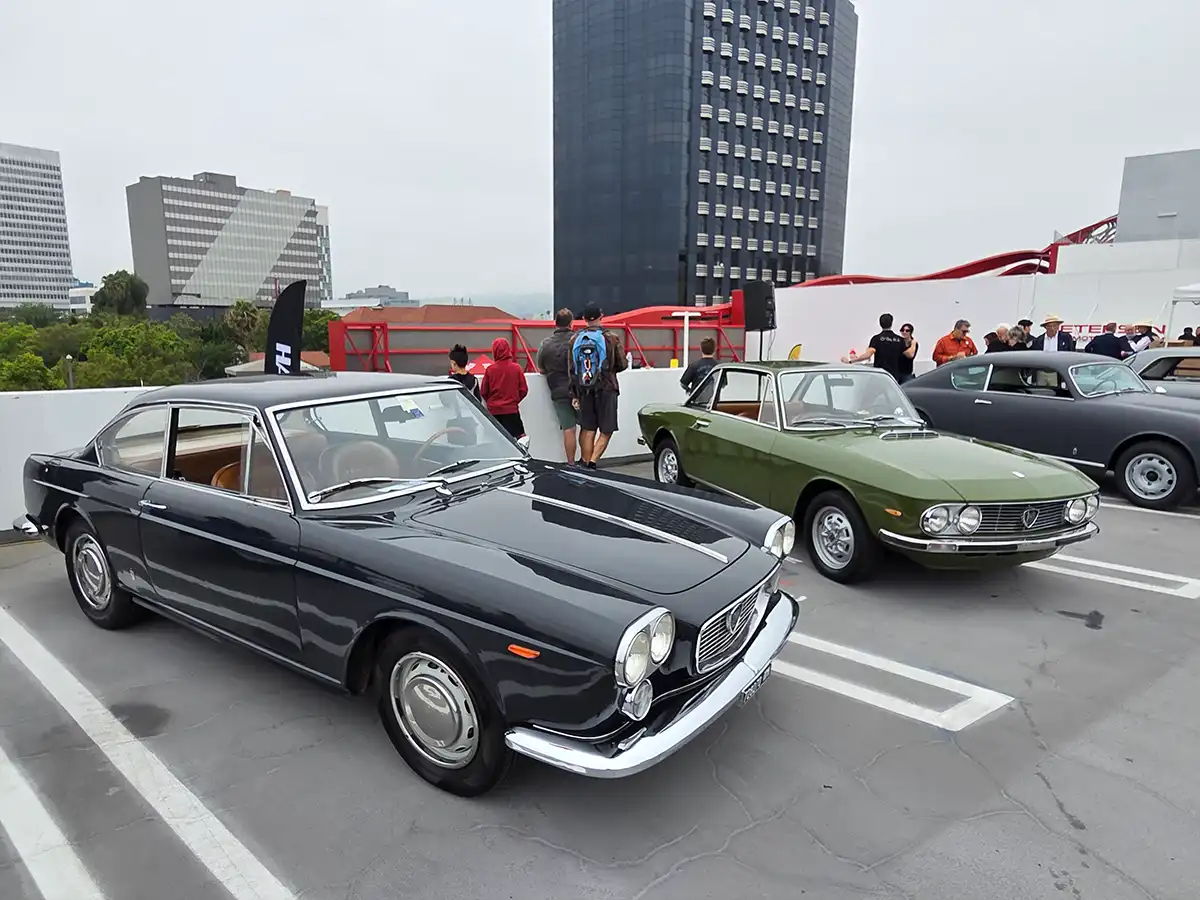
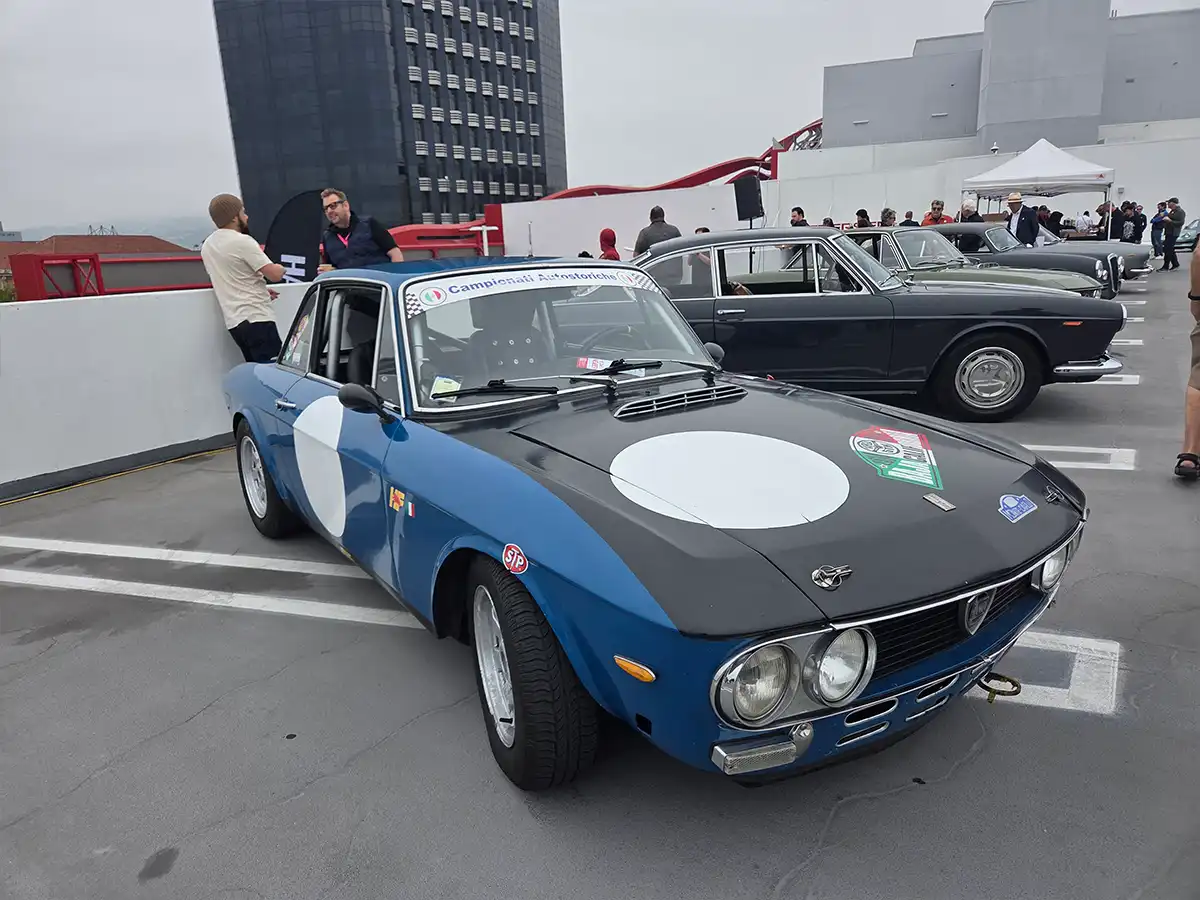
Lancia’s presence was impossible to ignore. A couple of Lancia Fulvias, B20, and a Flamina 3c stood out to me as one of the most interesting cars at the show. The Appia 4-door with V4 engine reminded me of the numerous Italian berlinas from the fifties that originated in Italy. And from the sixties, a two-tone Flamina Berlina 2.8L with a windshield wiper on the rear window gave me a big smile.
Several Lamborghinis reminded me that they were the original “exotics,” and no matter the model or year, these cars continue as examples of extreme road speed. An example from DeTomaso could not be missing. The Pantera coupe continues to make headlines,as it did when it was introduced to the market in 1972, combining the American Ford V8 engine with an Italian Ghia body.

Motorcycles: Racing Roar
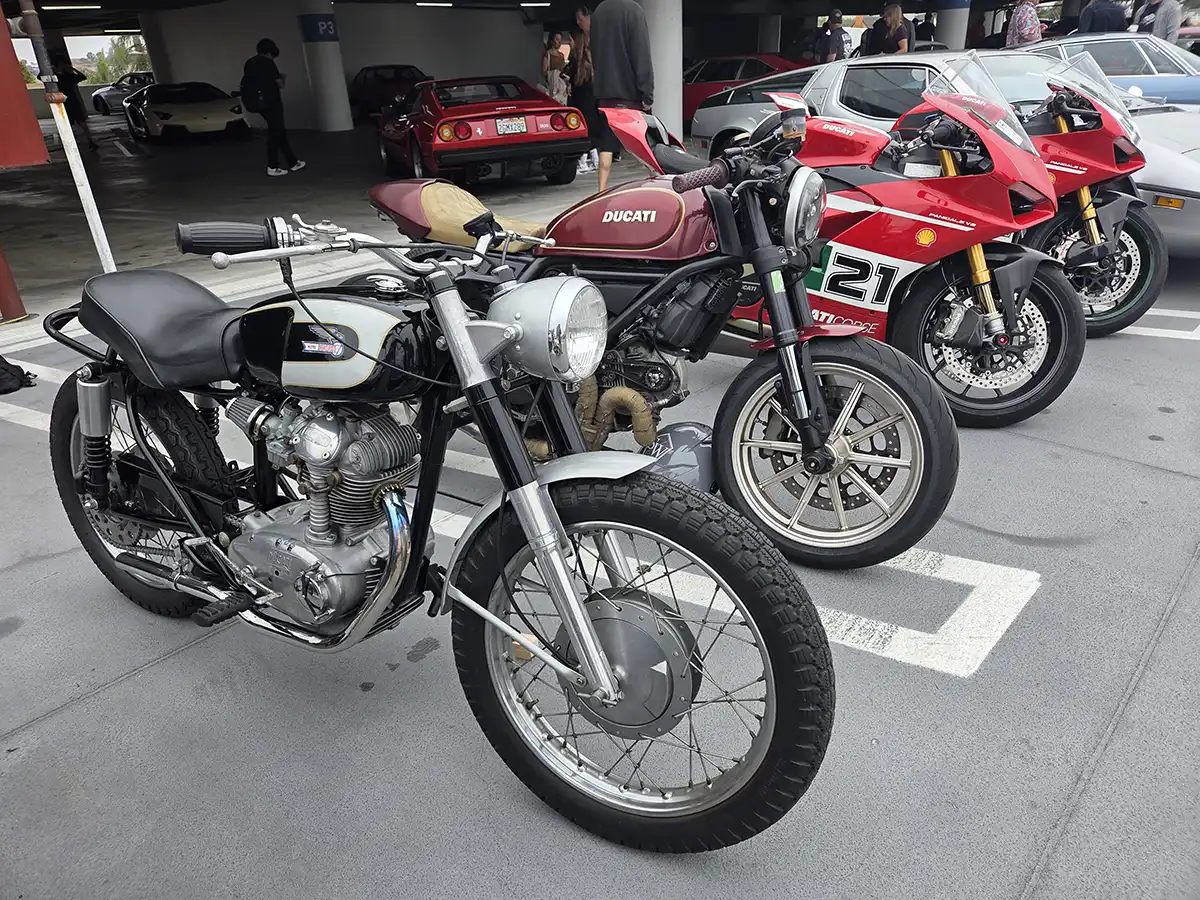
The motorcycles could not be missing. Ducatis with dry clutch make that unmatched sound, which everyone loves to hear. While the Lambretta and MV Agusta represented the diversity of extreme mobility that Italy is known for. I liked the orange color Laverda because of the brand’s history of building thoroughbreds.
This is an excellent mix of Italian machinery through the ages. Kudos to Mike B for putting in all the effort to make this meeting unique. The most moving testimony came from Gino Londi, master car restorer at Roma Motors: “I worked on some of these cars,
known today as classics, in my workshop during the 60s. Seeing these cars displayed here brings back many memories.” His words resonated with the authenticity of someone who not only observes history—he has lived it with his own hands.
Macchinissima had promised “a show with a pulse”—an antidote perhaps to the concours events that continue to be held on golf courses—an event for all ages and everything Italian. For me, reality exceeded any expectations.
Values That Transcend Money
At Macchinissima, people do not talk about the monetary values of the machines. Collectively they are millions and millions of dollars. The most important thing is to live the experience that results in an invaluable emotional investment. How to put a value on being next to a concept, in impeccable condition, that was the seed of an entire generation of cars is truly priceless. And the Italians, since the beginning of the automotive industry, have always injected an unmatched dose of passion into all their motorized products.
Macchhinissima is positioned as the perfect fusion of “LA car culture, Italian passion for visual design, and all the elegance of Beverly Hills” in one place. For enthusiasts, this is almost a spiritual journey through decades of Italian excellence. For curious young people, a window to a world where every curve, every line, every sound has a deep reason for existing. The owners spread their vibe, their energy. Inclusivity defines a philosophy that embraces both the multimillion-dollar Ferrari owner and the classic Fiat 500 enthusiast.
In the words of the organizers: “Months of planning and perseverance culminated in a unique show, the public understands that we just wanted to share and we created it for them,” said Page Bronson.
In a world where technology on wheels is advancing rapidly and automobiles are becoming increasingly digital, Macchinissima at the Petersen reminds us that true automotive magic lies in the emotional connection, in the stories that each machine carries with it, in the passion that is transmitted from generation to generation. Macchinissima will continue to vibrate in our memories, reminding us that actual speed is not measured in kilometers per hour—it is felt in the soul, lived in the moment, celebrated in the community. Mark your calendar now.
Petersen Automotive Museum
Macchinissima at Petersen Museum
6060 Wilshire Blvd, Los Angeles, CA 90036