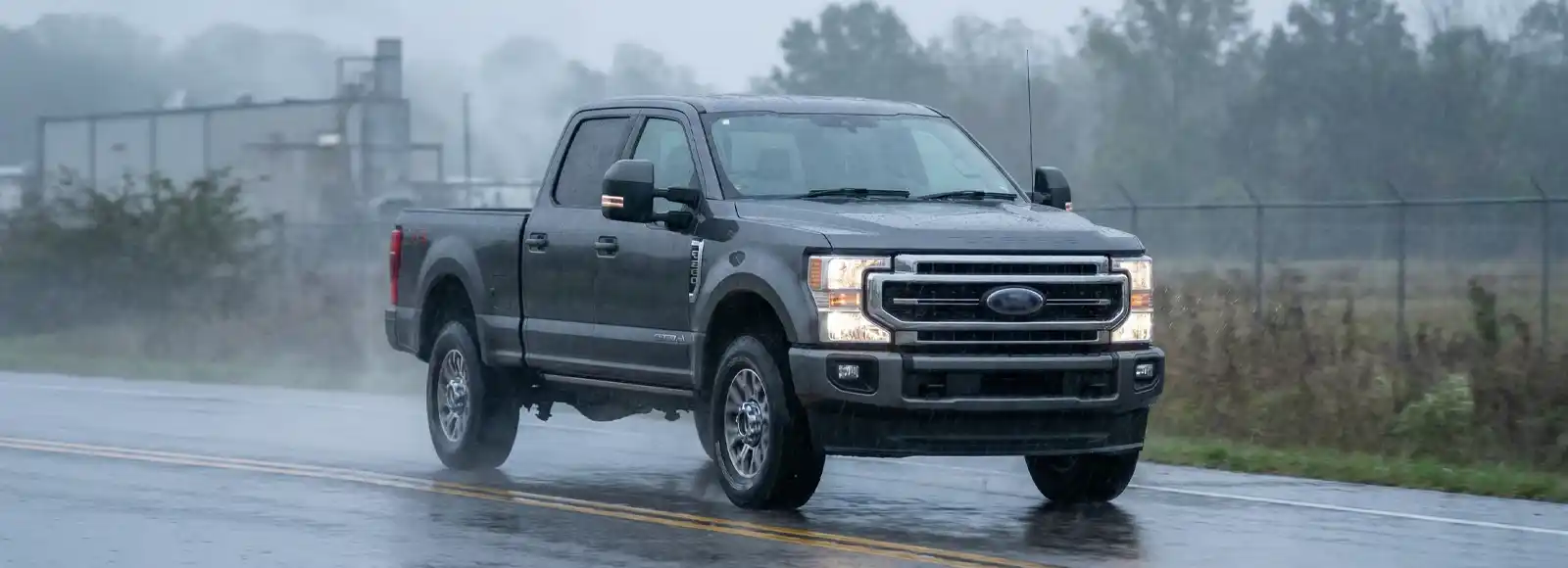


Ford Super Duty F-350
Ford Super Duty F-350 Buyer Guide
If you’re shopping heavy-duty, clarity beats hype. The Ford Super Duty F-350 is built for people who tow, haul, and drive long distances with purpose, but the best experience comes from choosing the right configuration. This guide breaks down capability, comfort, and ownership decisions so you can match your real needs to the right truck. Whether you’re comparing work setups or planning a long-term buy, smart shopping starts with the details that change daily life.

Ford Super Duty F-350: Capability that feels controlled
The Ford Super Duty F-350 is at its best when it feels stable and predictable under load. Look beyond peak numbers and pay attention to how the truck behaves during braking, lane changes, and uneven pavement. The platform is designed to stay composed when weight is added, and that “settled” feel is what separates a confident tow vehicle from a stressful one.
From city cars to family SUVs - find your next model here.

Ford F 350: Power delivery and real-world drivability
In everyday driving, the Ford F-350 should feel strong without feeling busy. A good heavy-duty truck accelerates smoothly, tracks straight at speed, and stays calm in crosswinds. When you test drive, note steering effort, brake confidence, and how the truck transitions from stop-and-go traffic to highway cruising. The more natural the Ford F-350 feels, the easier it will be to live with year-round. Many buyers also like to compare the Ford F-350 against their current truck to feel the difference in daily comfort and confidence.
F-350 Super Duty: Interior function for work and long miles
A work truck often becomes a mobile office, and the F-350 Duty cabin matters more than most buyers expect. Prioritize visibility, seat comfort, and storage that supports tools, paperwork, and daily gear. The goal is simple: the F-350 Super Duty should feel easy to operate for hours, not just impressive at first glance. When the cabin layout feels intuitive, the F-350 Super Duty becomes easier to use every day.
Find Ford Dealers Near You
Choose a city to browse nearby Ford dealers, inventory, and directions.
Car Reviews: What’s Worth Driving








F-350 towing capacity: What it changes in your buying decision
The headline number is only the start. F-350 towing capacity varies with cab/bed choices, drivetrain, equipment, and how the truck is optioned. When you shop, treat F-350 towing capacity as a full package that includes stability, cooling, brakes, and how confident the truck feels at highway speed with a trailer attached. Your best move is to match your real trailer weight and usage pattern to the configuration that supports it comfortably. If towing is frequent, confirm F-350 towing capacity from the exact build sheet and not a general claim.
F-350 diesel: When torque and towing consistency matter most
For buyers who tow frequently, F-350 diesel setups are popular because torque delivery can make heavy pulls feel less strained. With the right configuration, F-350 diesel power can provide a steadier climb on grades and a more relaxed feel at speed. If your use includes hills, long routes, or frequent trailer duty, evaluating F-350 diesel options can be a practical step toward lowering stress behind the wheel.
F-350 trim levels: Picking a build that fits your life
Start with how you’ll use the truck, then narrow down F-350 trim levels. If the truck is primarily for work, you may prioritize durable materials and essential tech over luxury. If it’s a daily driver too, comfort and driver-assist features can be worth it. Comparing F-350 trim levels is easiest when you list your non-negotiables first (towing needs, cab size, bed length), then choose the trim that supports those needs without adding cost where it won’t matter.
Setup basics that prevent expensive mistakes
Before you commit, confirm your exact configuration details. Verify payload and tow ratings for the specific build, not a general brochure claim. Ask how the truck was used if buying used, and inspect wear areas that suggest heavy towing. A properly configured Ford Super Duty F-350 should feel like it has margin—meaning it’s not operating at the edge of its limits in normal use.
Ownership mindset: Comfort, maintenance, and confidence
Heavy-duty ownership is more satisfying when you plan beyond the purchase day. Keep a maintenance schedule, budget for tires and wear items, and don’t ignore small warning signs. A well-maintained Ford F-350 can feel consistent for years, while neglected service can turn capability into downtime. If towing is routine, keep your trailer setup balanced and check hitch components regularly, so the F-350 Super Duty continues to feel stable and predictable. Many owners also appreciate how the Ford Super Duty F-350 can shift from work mode to everyday errands without feeling out of place when it’s configured correctly.
Price and what affects cost
Pricing depends on configuration, packages, and market conditions. The quickest way to estimate cost is to price the exact build you need, then compare similar setups. Trucks with higher F-350 trim levels and more towing-focused equipment often command more, especially when demand is strong.
For sale: how to buy smart (guide, not listings)
Buy the job first, then the truck. Define your trailer weight, usage frequency, and driving conditions, then confirm your build supports the F-350 towing capacity you actually require. This prevents overbuying and avoids the bigger mistake: buying too little truck for the work you plan to do. When in doubt, choose a configuration that leaves margin above your normal loads so the Ford F-350 stays relaxed.
Used: best years, mileage, what to check
A clean history matters more than a perfect odometer number. Look for service records, consistent tire wear, brake condition, and signs of repeated heavy towing. If you’re evaluating F-350 diesel, confirm that maintenance was done on schedule and that the truck wasn’t neglected during high-mileage use. Also confirm that the truck you’re inspecting drives straight, brakes smoothly, and doesn’t feel strained during acceleration.
Trim comparison (example: “XLT vs Lariat”)
When comparing trims, focus on what changes daily life: seating comfort, tech, and convenience vs. work-focused durability. Use F-350 trim levels as a way to select the right tool, not as a status badge. If your priority is capability, put configuration first and trim second.
Financing, insurance, and ownership costs
Budget for more than the payment. Insurance can vary by trim and use, and heavy-duty tires and maintenance can add up. If you choose F-350 diesel, factor in diesel-specific service and your driving pattern so ownership costs stay predictable. It also helps to price insurance with your actual trim and use case before you sign.
Where to buy locally (generic wording)
Compare multiple sellers, ask direct questions about prior use, and test drive the truck in conditions similar to your own. The right configuration of the Ford Super Duty F-350 is worth traveling for if it matches your needs and checks out mechanically.
If you want a confident purchase, start by listing your real towing and hauling needs, confirm the F-350 towing capacity for the exact build, compare F-350 trim levels that fit your daily use, and decide whether F-350 diesel torque is the advantage that makes the most sense for you.
Explore More Ford Resources
Keep exploring Ford vehicles, dealers, and model research across Los Angeles with the links below.